
The complete guide
A Buyer's Guide to One-Metre White Cotton Fabric
Start with the project, then choose the cloth
A sewing project can stall before the first stitch if the fabric is the wrong size or weight. A plain white cotton gives you a useful starting point, but it still needs to match what you want to make. A patchwork panel and a fitted shirt ask different things of the same cloth.
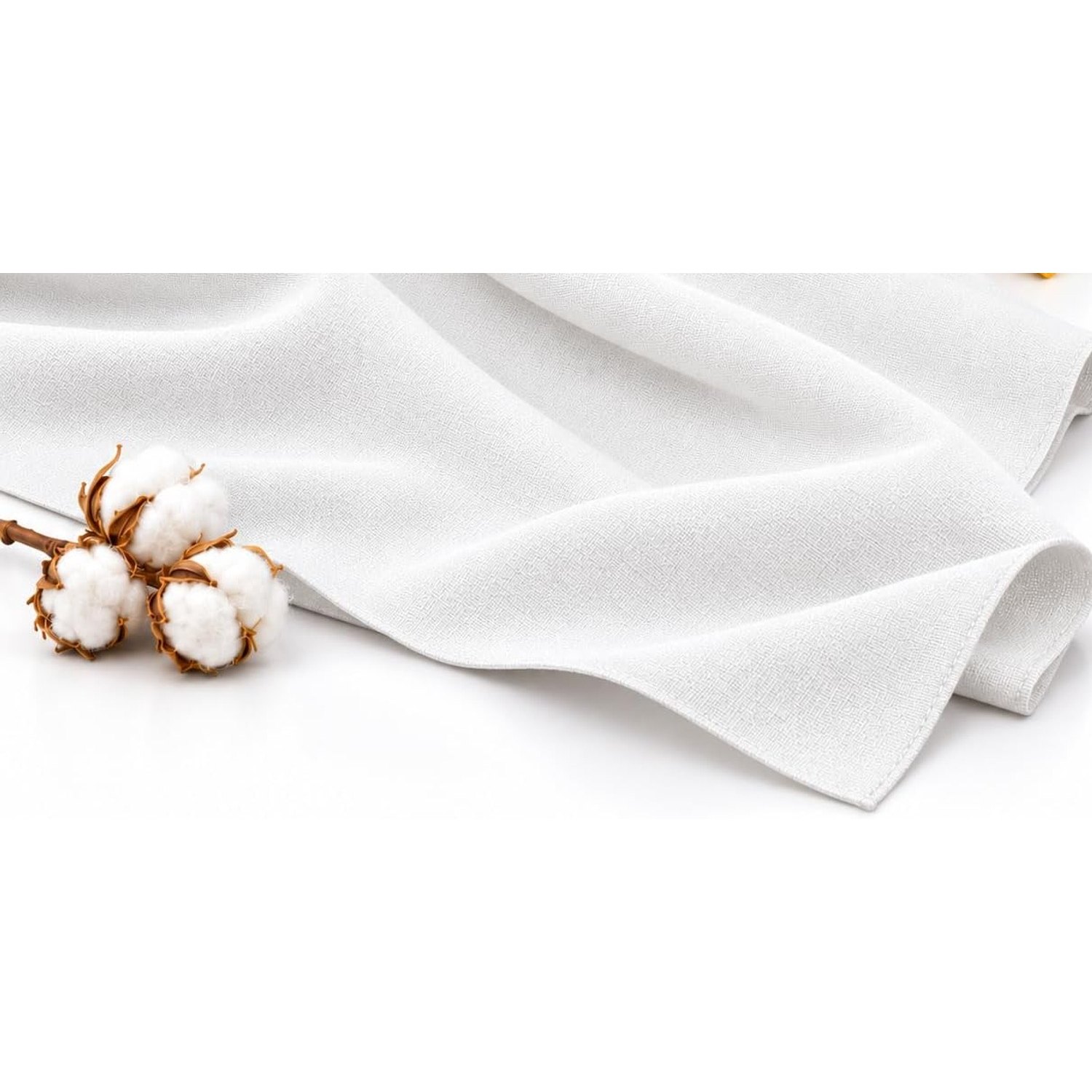
This cotton fabric by the metre is supplied as one piece, 1 metre long and 152 cm (60 in) wide. It is 100% cotton with a plain weave and a solid white colour. Suggested uses range from clothing to bunting and light home décor.
The key question is not how many possible uses it has. It is whether this particular piece fits your pattern, your care needs and the finish you have in mind. A few checks before ordering can save a frustrating shortage later.
Understand what you are buying
This is a defined piece of fabric, not a custom cutting service. One purchase gives you one metre of length across a width of 152 cm. If you order more than one quantity, the pieces may not arrive joined as one continuous length.
That matters for long pattern pieces. Two separate one-metre pieces cannot replace a continuous two-metre piece when a design needs an unbroken panel. Before buying several quantities, check whether each part of your project can fit within the supplied piece size.
For smaller projects, separate pieces may be quite workable. Patchwork blocks, bunting flags and some cushion panels can be planned individually. Sketch the layout first, including seam allowances, rather than relying on the total number of metres alone.
What the weave and weight tell you
The product is described as 100% cotton plain fabric. Plain weave refers to how the cloth is constructed, while solid white describes its appearance. There is no printed motif that needs to line up from one panel to the next.
The stated fabric weight is 140 GSM, and the cloth is described as light to medium weight. GSM means grams per square metre. The separate listed item weight is 145 g; these figures describe different things and should not be treated as interchangeable.
Weight helps narrow your choices, but it does not answer every question. The maker does not give a stiffness measurement, stretch percentage or opacity rating. If your pattern depends on one of those qualities, check rather than guessing from the cotton content.
Check your cutting layout before ordering
Start with the fabric requirements on your sewing pattern. Look for the length needed at the relevant fabric width, then compare that with this one-metre piece.
If you already have the pattern, lay its pieces out within a marked rectangle measuring 1 metre by 152 cm. Keep the grainline directions as instructed. Include pieces that are easy to forget, such as facings, pockets, ties and waistbands.
Allow room for preparation too. A shrinkage rate is not stated, so do not plan a layout that depends on every last centimetre remaining unchanged after washing. For a very close fit, ask for more information before buying or choose a project with more breathing room.
Choosing white dressmaking fabric
Shirts, skirts and summer wear are among the suggested uses for this fabric. That makes it worth considering for a clothing project, provided your pattern calls for a suitable cotton and the required pieces fit.
White fabric needs a coverage check. Hold the cloth against the underlayer you intend to wear and view it in suitable light. Do this before cutting, since the maker does not state how opaque the fabric is.
If the result is too sheer for your plan, you may need a lining or a different fabric. That choice can affect the garment's feel, cost and care. It is better to decide at the planning stage than after joining the main seams.
For shirt sewing fabric, also consider small details such as collars and cuffs. Follow the pattern's instructions for any support materials rather than expecting the main cloth alone to create every part of the finished shape.
Patchwork and small craft projects
White quilting fabric can give patterned blocks a shared background. This plain white cloth has no printed repeat to place, so you can focus on the size and arrangement of your pieces.
Before combining it with other fabrics, test how each one responds to washing. Differences in shrinkage or colour transfer can affect a finished project. Keep a few labelled offcuts if you want a description of the materials you used.
Cotton patchwork fabric is also useful for smaller plans where a full garment is not the goal. A sample block or a simple decorative panel lets you test your cutting and stitching without committing the whole piece.
Bunting is another listed use. Make a paper template first and lay it out across the available fabric. Include the seam allowance and any backing pieces when working out how many flags you can make.
Think through bags and home accessories
Tote bags and cushion covers appear among the suggested projects, but their designs still need care. A bag intended for light items has different needs from one expected to carry heavy shopping. No load capacity is stated for this fabric.
When considering fabric for tote bags, check the pattern's weight recommendation and handle construction. Do not assume that a suggested use makes the cloth suitable for every version of that item.
For cushion covers, measure the insert and plan the opening before cutting. An envelope back, zip or other closure changes the amount of cloth required. Check coverage over the insert as well, especially if it has a strong colour.
Curtain lining and bedding accessories are also suggested uses. No blackout or thermal performance is stated. Choose it only where its documented qualities fit the project, not where a specialist performance claim is needed.
A practical choice for learning
If you are learning to sew, a small project can tell you more than a large first attempt. This cotton craft fabric is listed for crafts, sewing and school textiles, giving you several possible starting points.
Choose something with a clear shape and a manageable number of seams. Use an offcut to check your stitch settings, then inspect the result before sewing the main pieces. Your machine manual and project instructions should guide those settings.
A plain surface also lets you see your marking and seam placement without a printed design in the way. Keep marking tools removable and test them first. Even on white cloth, a mark that seems faint can be hard to remove later.
For school textiles fabric, check the assignment before ordering. A course may require a particular weight, construction or finish that is not fully covered by the maker's description.
Inspect first, then prepare
When the fabric arrives, inspect it while it is still unwashed and uncut. Check that the colour and piece size suit your plan. Keep the packaging until you have decided whether to keep it.
This order of steps matters because returns require the fabric to be unwashed, uncut, unused and in its original packaging. Washing first to assess the cloth can remove that return option for a change of mind.
Once you decide to keep it, prepare it for the care your finished item will need. Machine washing is listed, but the maker does not give a temperature or shrinkage rate. Follow any supplied instructions and test an offcut where possible.
Measure before and after your test if size stability matters to the design. Only then finalise the cutting layout.
Care without guesswork
Machine washable cotton fabric still needs care choices that suit the finished item. Other fabrics, trims or fastenings may need different handling, so consider the whole project rather than the main cloth alone.
An ironing temperature is not stated. Check any supplied directions and test heat on a small offcut before pressing the full piece. The same cautious approach applies to dyes, paints and printing treatments, whose results are not specified by the maker.
Store unused cloth somewhere clean and dry. Keep it away from materials that might transfer colour, and save useful offcuts together. Small pieces can help with future stitch tests or repairs without using fresh fabric.
Delivery, returns and the short version
A delivery lead time is not specified by the maker. Check the information at checkout if your sewing project has a deadline, and leave time to inspect and prepare the cloth before starting.
Returns are available within 14 days of delivery for unwashed, uncut, unused fabric in its original packaging. The customer pays return postage. Faulty or wrongly described goods are put right free of charge.
The short version is straightforward. This is one piece of white, plain-weave, 100% cotton fabric measuring 1 metre by 152 cm. It is a light-to-medium-weight option for a range of sewing projects. Choose it when that piece size and fabric type match your plan, and check any unstated qualities before committing to the cut.