
The complete guide
A Buyer's Guide to Mixed Colour Faux Fur Fabric Pieces
When a little texture is all your project needs
A small sewing project can need only a little fur fabric. Perhaps you want a textured panel, a soft decorative detail or contrasting patches. Buying a continuous length may not fit that plan, especially when you would rather work with several colours.
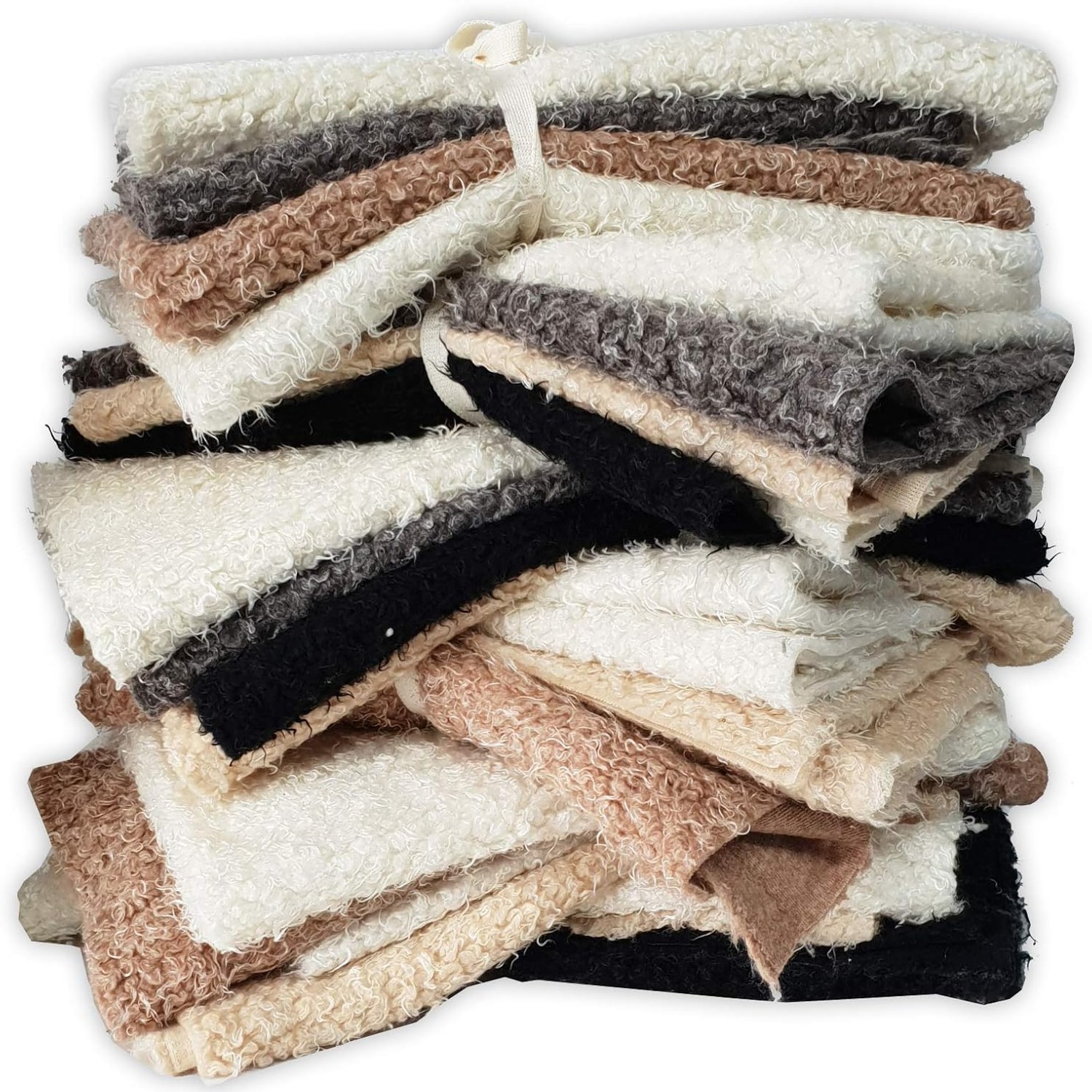
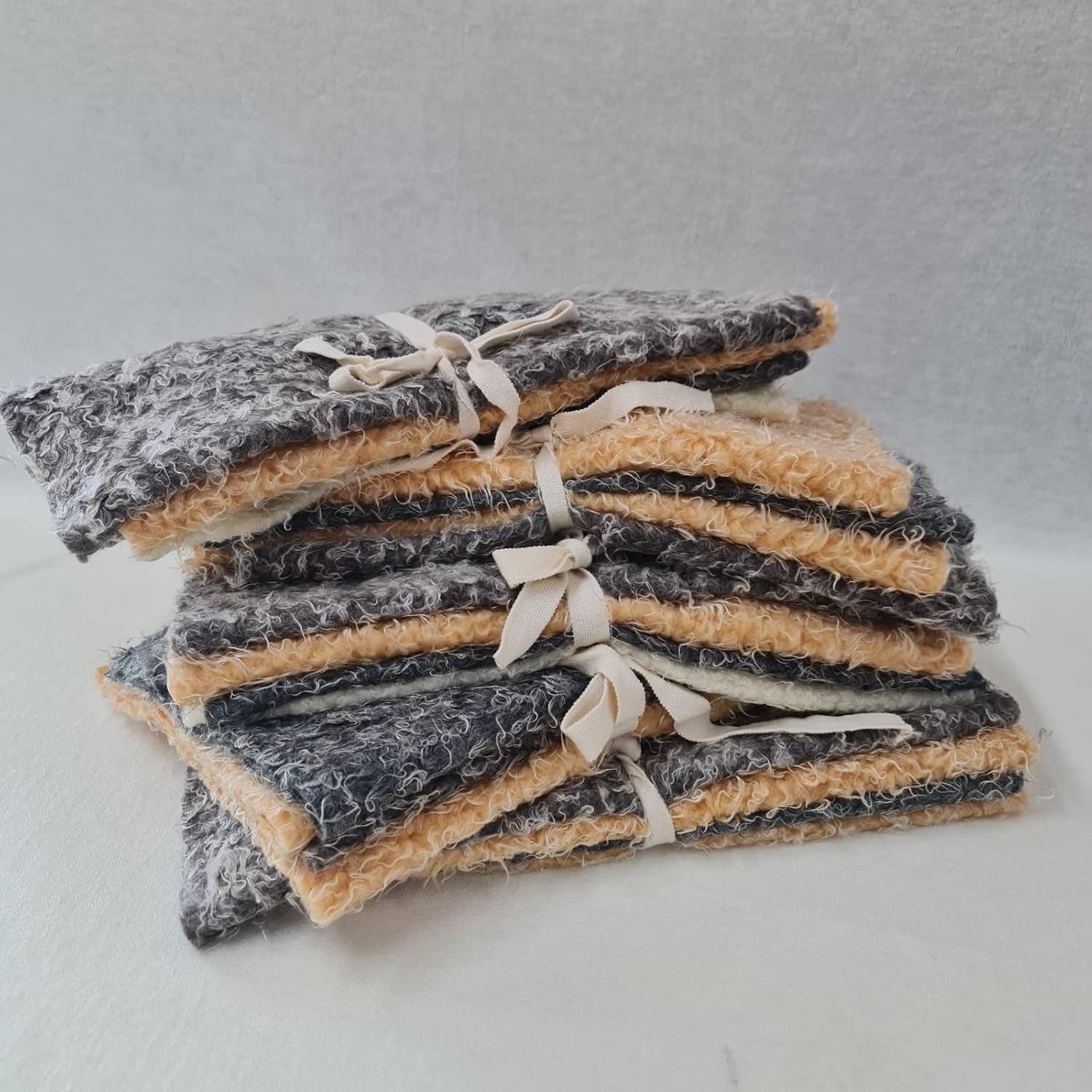
This bundle contains four separate faux fur pieces in mixed colours. Each piece measures approximately 50 x 40 cm. It is a format to consider when your pattern parts are small, or when visible joins are part of the design.
The key is to choose by the shape of your project, not just by the appearance of the fabric. Four pieces offer different possibilities from one large sheet. A little planning helps you see whether those possibilities match what you want to make.
Understand the piece size before you buy
Although the phrase craft fur squares is often used for this type of product, the stated pieces here are rectangles. Each is approximately 50 cm by 40 cm.
Draw that rectangle on paper and place your pattern parts inside it. Include seam allowances, folded edges and any extra fabric needed for attaching the panel. A finished shape that measures 50 x 40 cm will not leave room for those allowances.
Also think about the direction of the fur. Turning a pattern sideways may help it fit, but it can change how the surface looks. You may prefer the pile to run in a consistent direction across adjoining sections.
If your main pattern part is too large, decide whether a seam would look intentional. If it would interrupt the design, a larger continuous piece may be the more suitable choice.
What the fabric details tell you
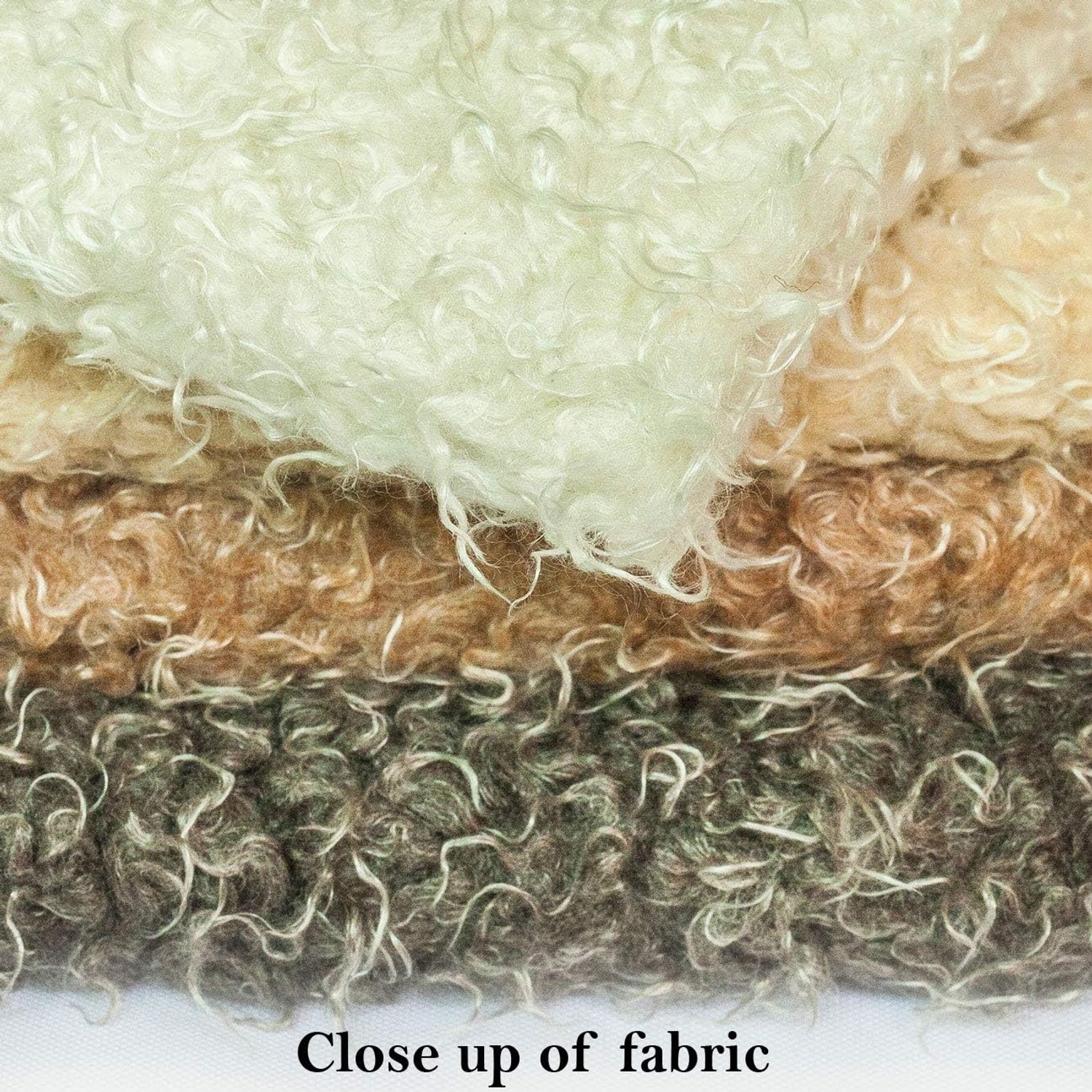
This is faux sheepskin fabric, not real sheepskin. The product details list polyester and describe the texture as soft. The appearance is animal-inspired, with an imitation fur surface.
Those facts give a starting point, but they do not answer every fabric question. Pile length, backing construction and stretch are not stated. There is no basis for treating it as a stretch fabric or assuming a particular thickness.
That matters when you compare polyester craft fabric for different jobs. A decorative patch may ask little of the backing. A fitted piece or a heavily handled item may depend on details that the maker's description does not provide.
Choose it for the features that are stated. If your project needs a precise pile height, a certain stretch percentage or a tested performance standard, ask for that information before ordering.
Work with a mixed palette
Mixed colour fur fabric can be useful when contrast is welcome. You might give each panel a different role or repeat small patches across a design. The separate pieces encourage you to think in sections rather than one broad surface.
The exact shades are not specified. Photographs also cannot promise a precise colour match, because lighting and screen settings affect what you see. Avoid planning around a shade that must match an existing item exactly.
Instead, build some choice into the project. Wait until the fabric arrives before selecting thread, trim or a neighbouring fabric, where possible. Lay everything out together in the light where the finished item will usually be seen.
If colour matching is the main reason for your purchase, pause before ordering. A mixed bundle is a different proposition from a named, repeatable colour.
Choose projects that suit separate pieces
Small decorative projects are the clearest starting point for this format. Think of accents, patchwork sections and surface details rather than a large unbroken cover. The pieces can also be considered for fabric for costume details, subject to the requirements of the finished costume.
A paper mock-up is helpful. It lets you check the size and position of a fur detail without cutting the fabric. Pin or place the paper shape against the main project and see whether the scale feels right.
Faux fur patchwork is another option where seams are expected. In that case, the joins become part of the layout instead of something you must hide. Plan their position before cutting.
For toys, pet items or other uses with specific safety demands, do not infer suitability from softness. No relevant safety certification is supplied here. The finished item needs to meet the requirements of its intended use.
Plan your layout before the first cut
When the bundle arrives, start by checking all four pieces. Measure them individually and look at the colour, reverse side and direction of the pile. Do this while the fabric is still uncut and unused.
Arrange your paper patterns over the pieces before marking anything. Leave space between parts so you can cut with control. Keep larger usable areas together rather than placing a tiny detail in the centre of a panel.
Photograph the layout if it helps you remember which piece goes where. This is especially useful when several similar shapes need different colours. A simple label on each paper pattern can prevent confusion later.
Save a small area for a test seam and cleaning trial. Testing uses some fabric, but it can help avoid a larger mistake. Include that allowance in your layout rather than relying on whatever happens to remain.
Take care with cutting and sewing
Faux fur sewing projects benefit from a patient start. Mark on the reverse where practical and test your cutting method on an offcut. Work slowly so you can control the edge without cutting more of the pile than necessary.
There is no specified needle, stitch length or machine setting for this bundle. Your machine, thread and seam design all affect the result. Try a small seam first and inspect both sides before moving to the main pieces.
Check whether the seam lies as you expect. Look for caught pile and any unwanted bulk at the join. If the result needs adjustment, it is easier to change your method on a test piece.
Keep the work area clear enough to see the cutting line. Put unused pieces aside rather than stacking them beside the scissors. Small habits like these help preserve the fabric you still need.
Think through joins and finished size
Joining pieces is possible as a project approach, but a join uses fabric. The finished panel will be smaller than the combined outer measurements of the unsewn pieces. The amount depends on your seam allowance and layout.
Sketch the seam positions before you begin. Consider how the mixed colours will meet and whether the pile will run the same way. Neither choice is automatically right, but it should be deliberate.
For a decorative design, a contrast seam may be welcome. For a project meant to look like one continuous surface, the same seam may be distracting. Be honest about that difference before buying.
Do not assume that four pieces can replace a large sheet in every pattern. Sometimes changing the design works well. Sometimes choosing another format saves time and avoids an awkward compromise.
Check care needs early
The care description says easy care, but it gives no washing temperature, drying method or ironing setting. That is not enough information to promise machine washing or tumble drying.
Check any care label supplied with the fabric. If a cleaning method remains uncertain, test an offcut before treating the finished project. Watch for changes to the texture, colour and backing.
Avoid direct heat until suitable settings are confirmed. This includes pressing during construction, not just cleaning after use. A project that requires frequent hot pressing may need a different fabric or clearer care guidance.
Store spare pieces clean and dry. Keep them away from sharp tools and avoid putting heavy objects on top. Retain useful offcuts for later tests or small repairs to your own project.
Buying for yourself or as a gift
A fur fabric bundle may appeal to someone who likes experimenting with texture. Four mixed-colour pieces leave room for several small ideas without committing the whole pack to one design.
For a gift, think about the recipient's habits. Someone who enjoys patchwork or decorative sewing may welcome varied pieces. Someone following an exact pattern may need a specific colour and a continuous length instead.
For your own purchase, check the same points. Delivery timing is not specified by the maker, so check the current estimate before ordering for a deadline.
The short version
This pack offers four soft polyester faux fur pieces in mixed colours, each approximately 50 x 40 cm. It suits plans built around smaller panels or designs where joins are acceptable.
Measure your pattern first, allow for seams and keep colour expectations flexible. On arrival, inspect the fabric before cutting or washing it.
If it does not suit, returns are available within 14 days of delivery for unwashed, uncut, unused fabric in its original packaging. Change-of-mind return postage is paid by the customer. Faulty or wrongly described goods are put right free of charge.