
The complete guide
A Practical Guide to Choosing Nude Power Mesh
When a project needs a flexible layer
A sewing pattern can look simple until you reach the fabric list. It may call for a stretch panel, a mesh layer or a flexible lining, and ordinary woven fabric will not do the same job. The challenge is finding something that suits both the pattern and the way you want the finished piece to fit.
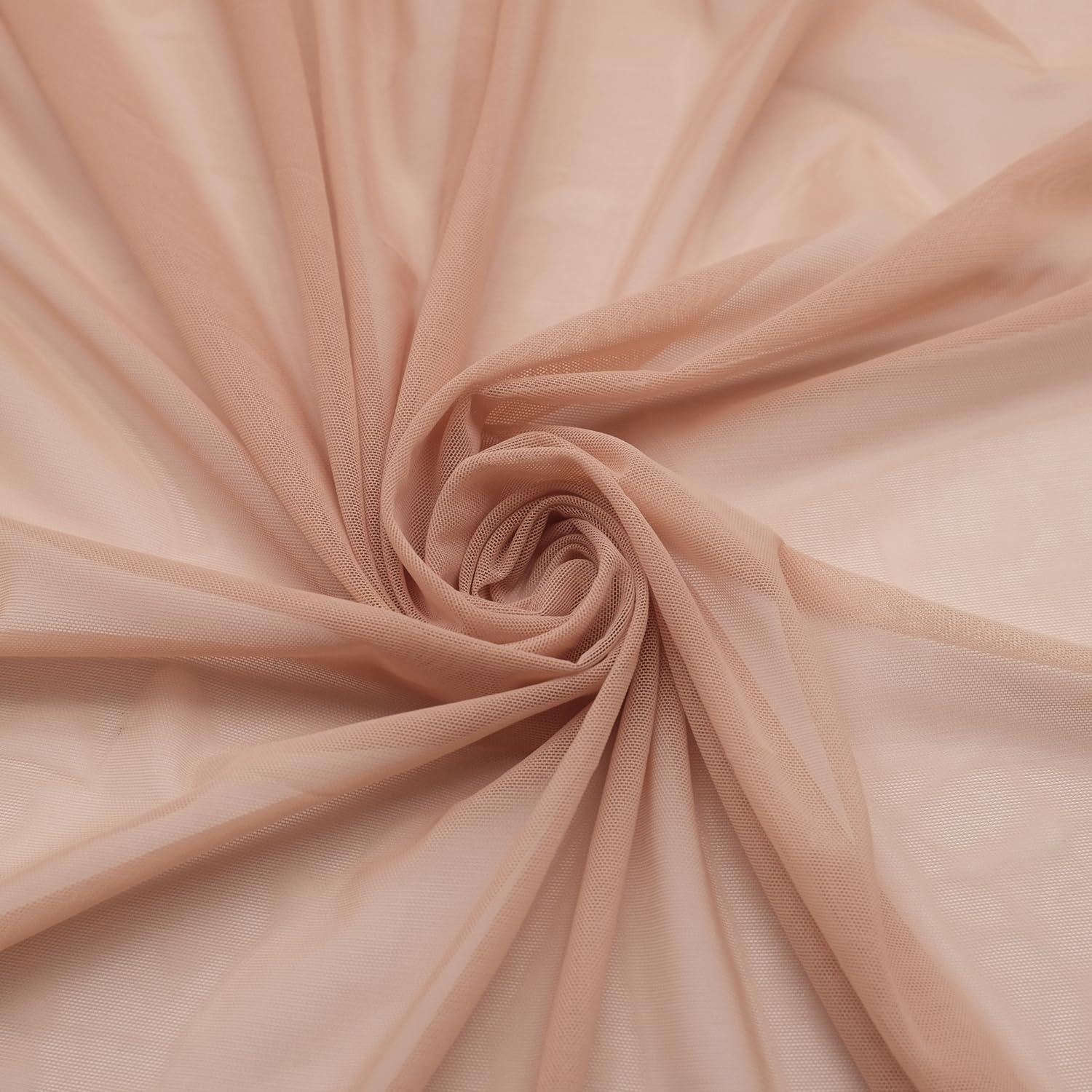
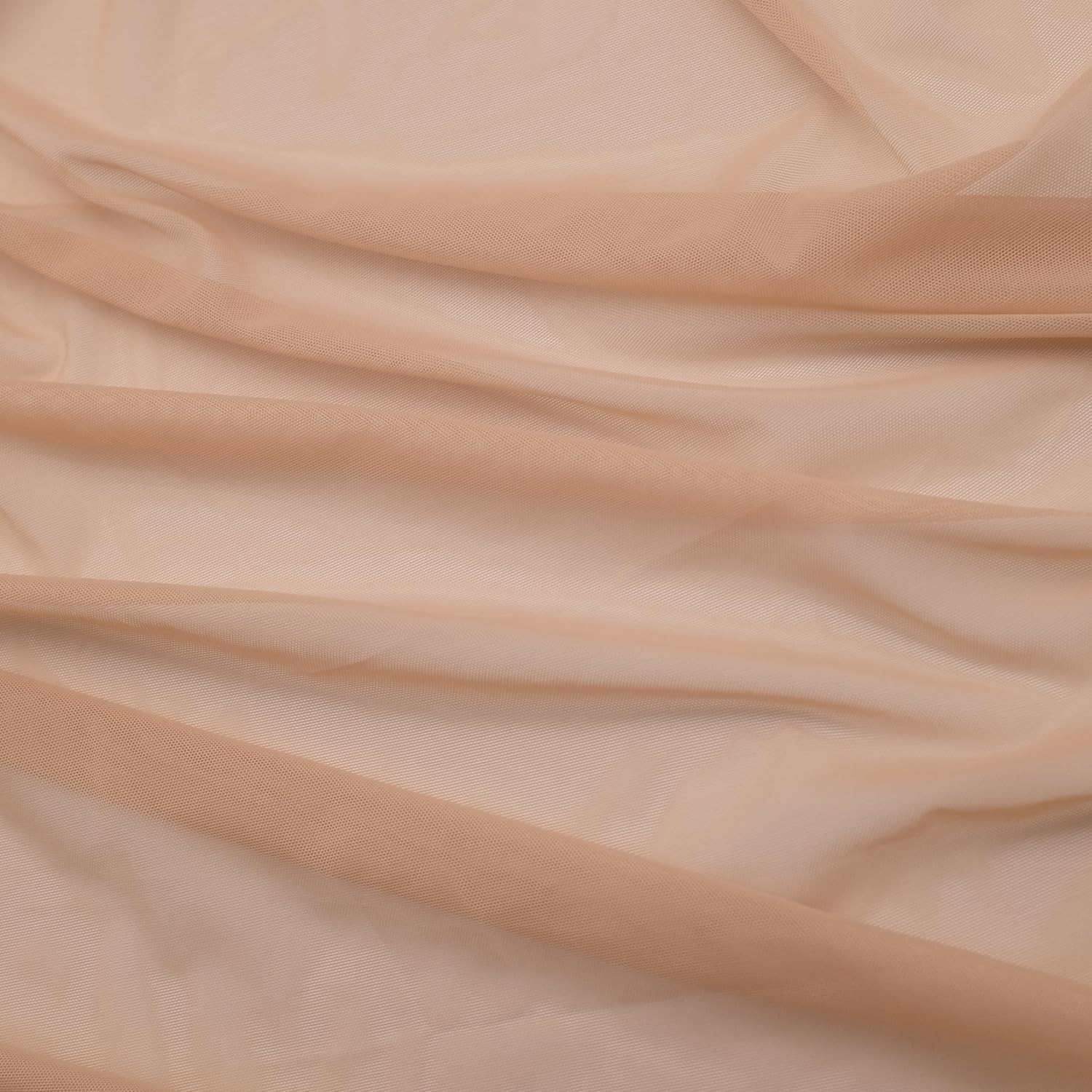
This power mesh fabric is a nude precut, supplied as one piece. It gives you a fixed amount of fabric to plan around rather than a custom length. That can suit a smaller project, but it also makes checking your layout important.
Before choosing it, focus on the questions that affect the result. Is the piece large enough? Does your pattern need a measured amount of stretch? Will the shade work with the other fabrics? Those checks are more useful than choosing by the product name alone.
What you receive
You receive one precut piece measuring 1 yard (91 cm) long and 152 cm (60 in) wide. If you buy two packs, you receive two separate pieces, not a single piece twice as long.
That distinction matters when a pattern has a long section. Two pieces may provide enough fabric overall but still leave you without the uninterrupted length you need. A seam is not always an acceptable fix, especially in a visible panel.
Draw or mark out the available rectangle before ordering. Place your pattern pieces within it at their actual size, including seam allowances. Check the required stretch direction as well. A piece that fits when turned sideways may not work that way in the finished garment.
Understanding the stretch information
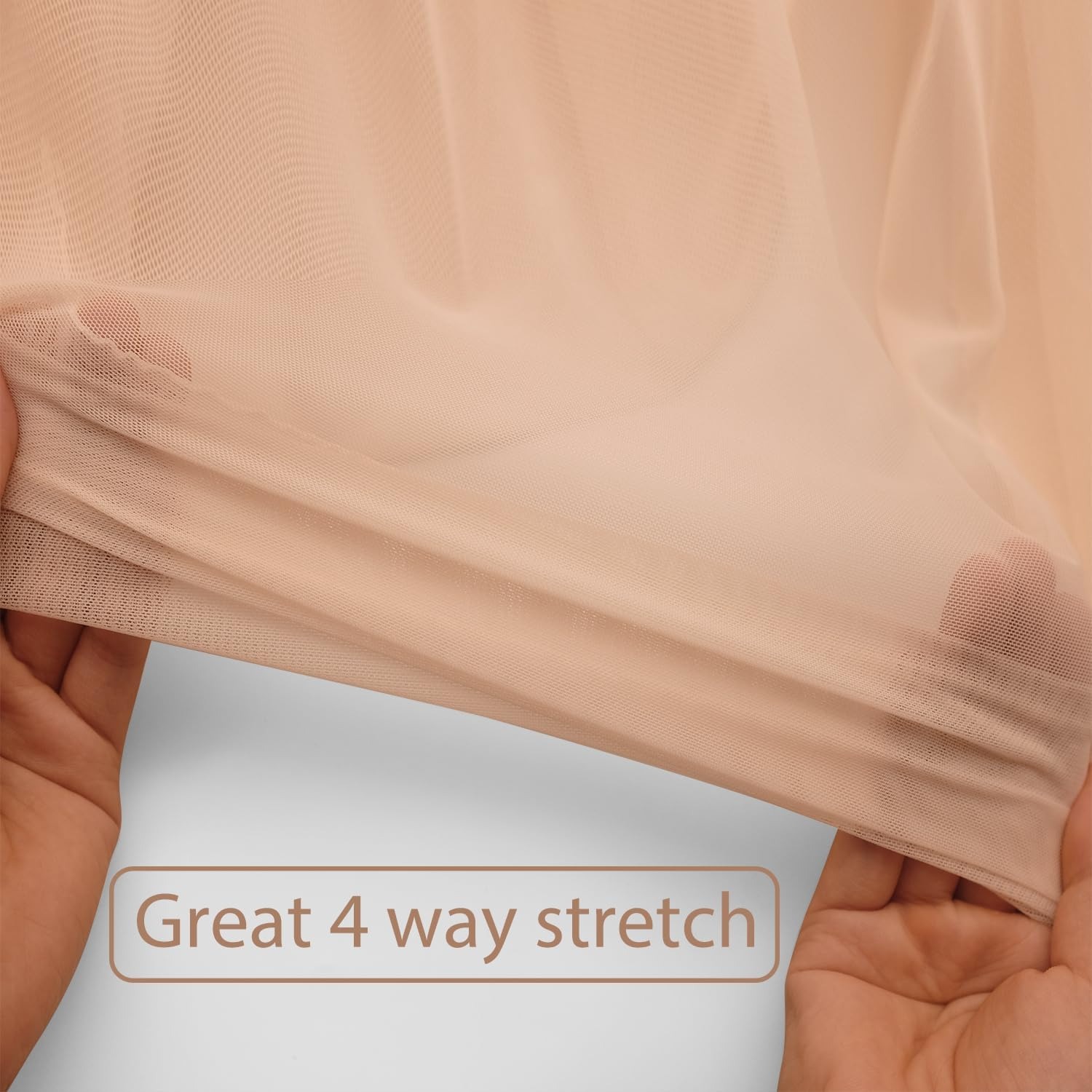
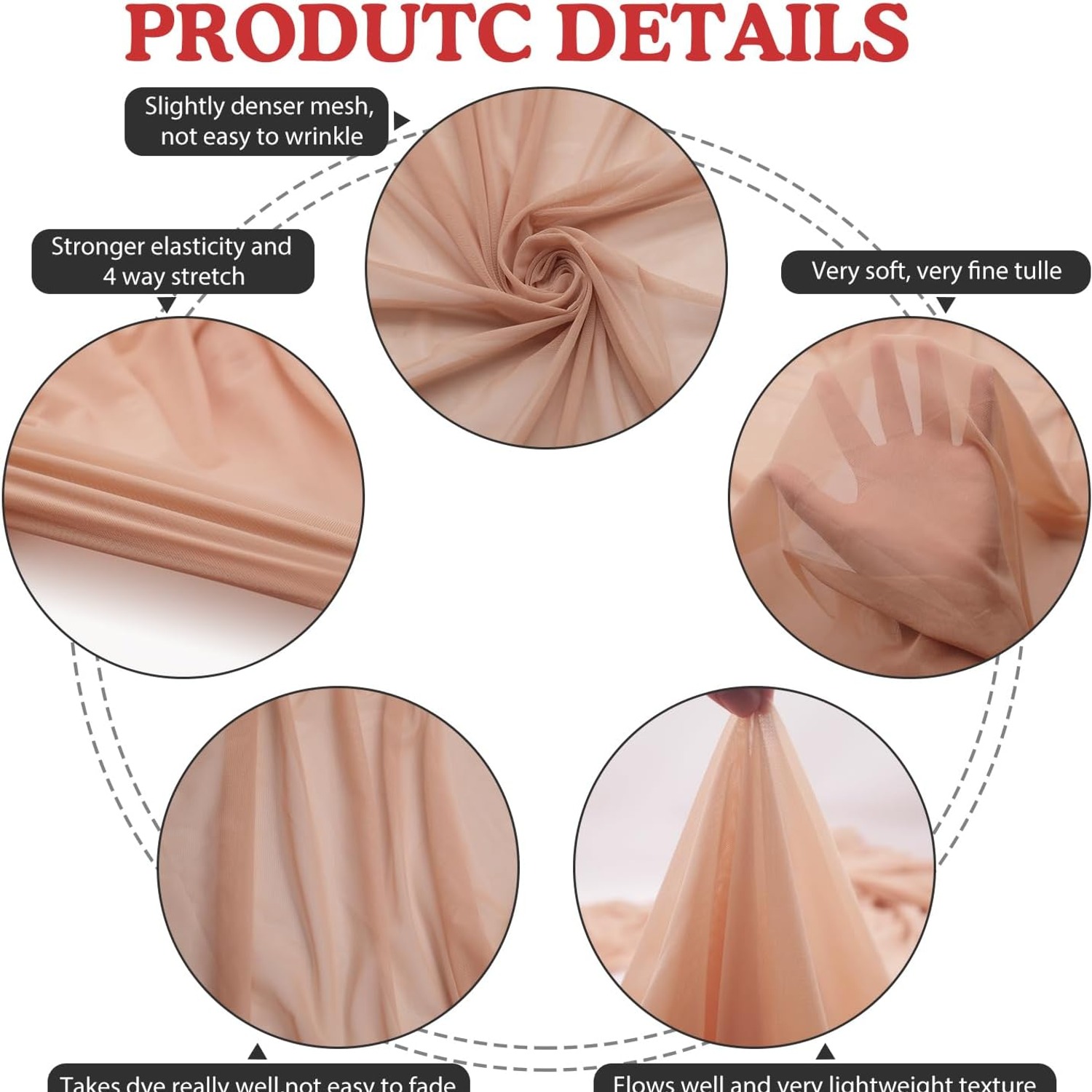
The heading describes this as four way stretch mesh. That tells you how the product is presented, but it does not provide a measured stretch percentage. Recovery, which is how well fabric returns after stretching, is also not stated.
These missing details matter most in close-fitting sewing. A pattern designed for a specific stretch range may fit poorly if the chosen fabric stretches much less or more. The same issue applies when a panel needs to hold its shape after movement.
Use your pattern's own test method if it includes one. Check the actual fabric before final assembly rather than assuming all spandex mesh fabric behaves alike. A short trial seam can also show whether your stitch settings allow the seam to move with the fabric.
Read the fibre details with care
The specification table lists 90% nylon and 10% spandex. Another section of the source reverses those percentages. That is a real conflict, not a detail to smooth over.
If the exact blend is important to your project, ask for confirmation before buying. This is especially sensible when you are following a pattern with strict material guidance or trying to repeat the feel of an existing garment.
The available details support describing the product as nylon spandex mesh, but they do not settle the percentage conflict. They also do not supply a tested support grade. Treat those as open questions rather than filling the gaps with assumptions.
Projects worth considering
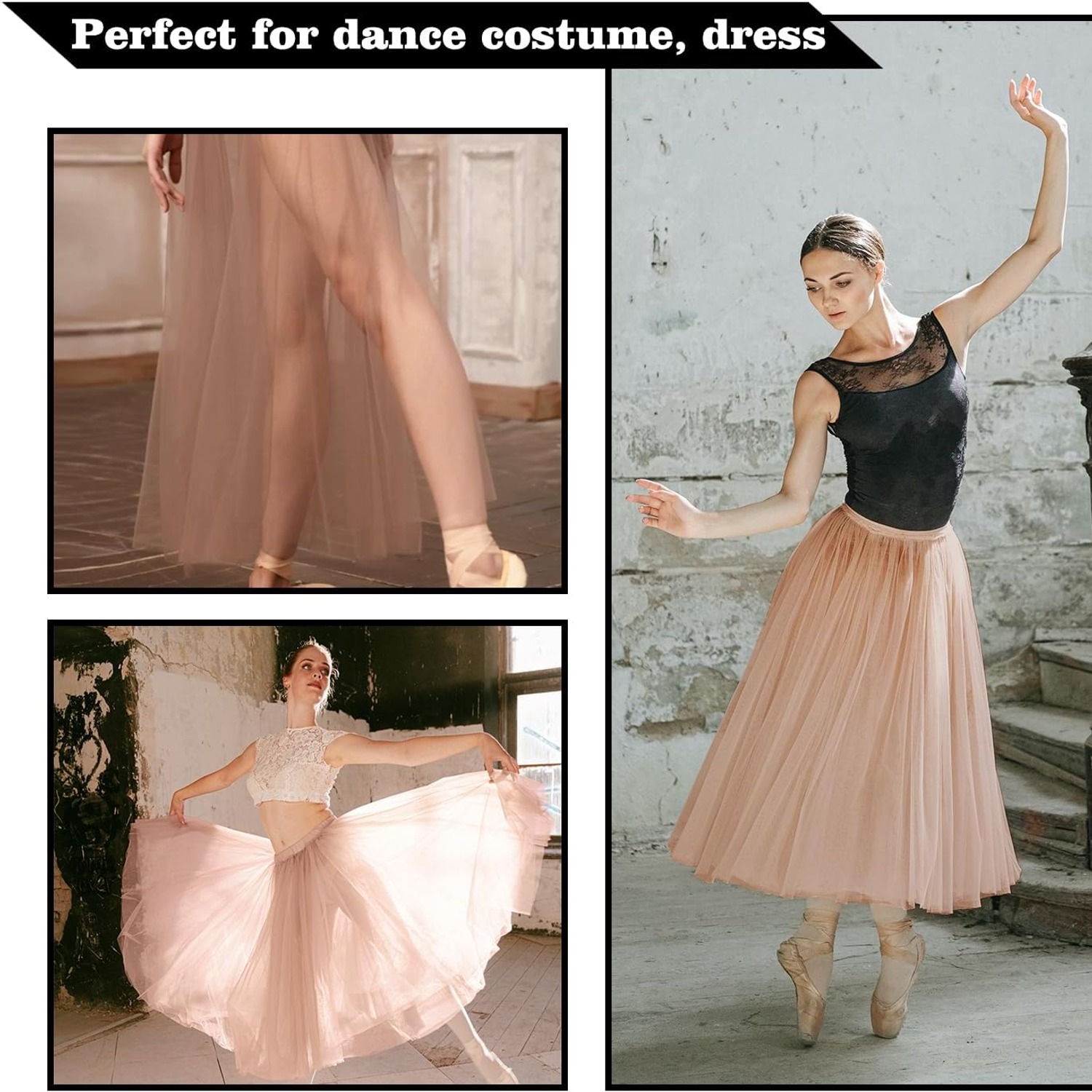
Dressmaking mesh can be useful to consider when a pattern calls for a flexible mesh section. Possible plans include small panels, layered details or a mesh lining allowed by the pattern. The right choice depends on the pattern requirements, not just the general garment type.
For lingerie, check whether the instructions call for light mesh or a more supportive material. A power mesh name alone does not establish firm support. For dancewear, check both movement and coverage in the position the panel will occupy.
Swimwear needs a separate check. Chlorine resistance and performance in water are not stated by the maker. Do not assume that a fabric suited to a stretch sewing project is also suited to repeated pool use.
Choosing a nude shade
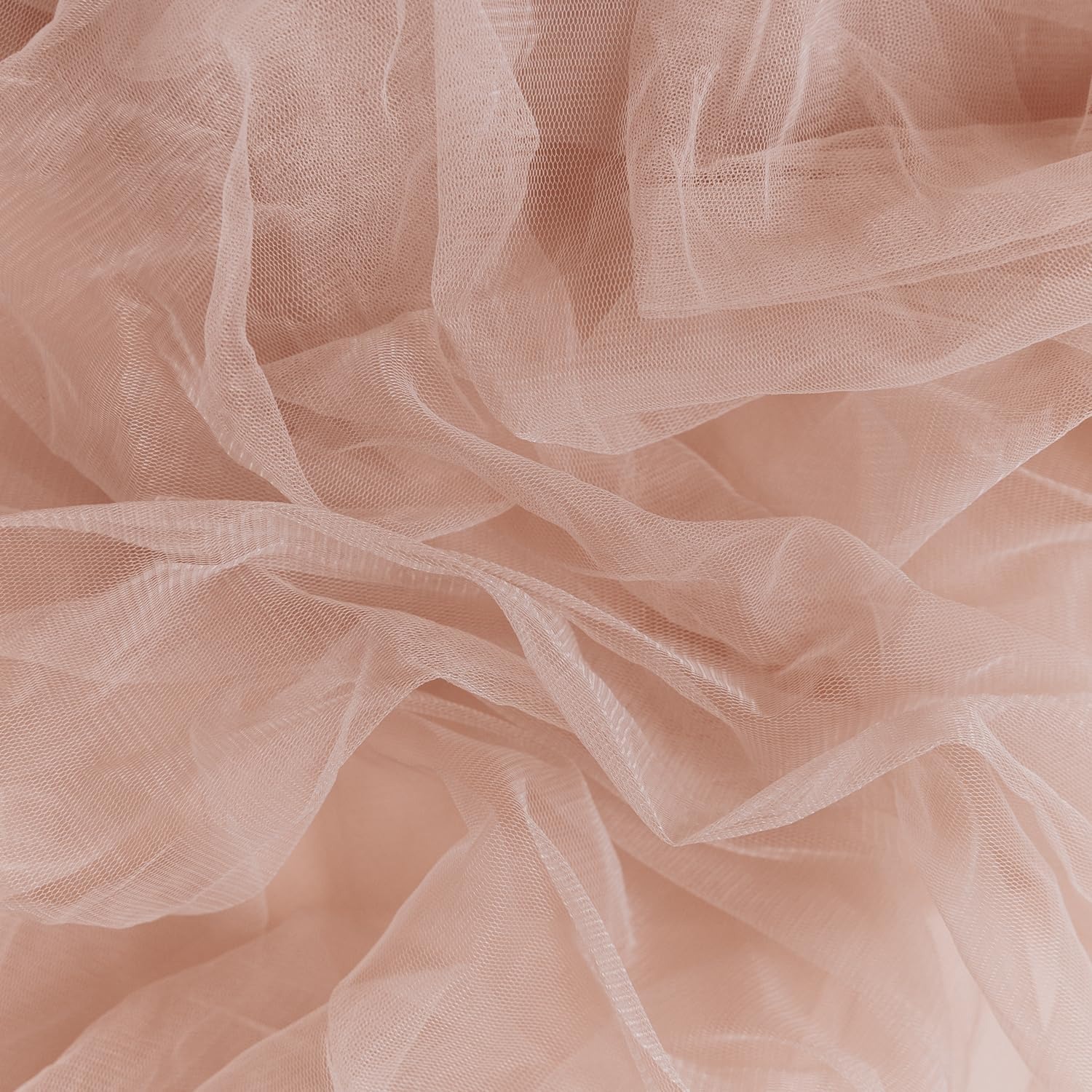
Nude describes the listed colour, but it is not one shade that matches everyone. It also does not promise a match to another fabric sold under the same colour name.
Think about how the mesh will be seen. A panel worn against skin may need a different match from a layer placed behind lace. The surrounding fabric can affect how obvious a colour difference looks.
For nude mesh panels, inspect the actual piece in the setting where you expect to use it. Check it beside the main fabric and against any intended backing. Do that before cutting or washing, while the fabric can still meet the stated change-of-mind return conditions.
Check coverage rather than guessing
Opacity is not specified by the maker. You should not rely on the word mesh to tell you exactly how much will show through, or assume that a nude shade will disappear against skin.
Look at the fabric relaxed and at the amount of stretch expected in the finished piece. Check it under the lighting relevant to the project. If coverage is important, include any planned backing in that check.
Layering may change the look, but it also changes the way a panel behaves. Test the planned layers together. A useful mesh layering fabric still needs to work with the seams, fit and movement of the complete garment.
Plan around the precut format
A one yard mesh fabric pack makes quantity easy to understand. You know the dimensions of each piece before buying. It is still worth doing a full layout instead of estimating from the apparent size of the project.
Small pattern pieces can consume more width than expected when they must face a certain way. Fold requirements, seam allowances and paired sections all affect the layout. Allow room for a test seam too, if your plan permits.
If you need more than one pack, decide which sections will come from each piece. Do not build the layout around an imaginary continuous length. This simple step can prevent a frustrating shortage halfway through cutting.
Handling and sewing the mesh
Start with the fabric resting flat and relaxed. Pulling it tight while measuring or cutting can make it harder to keep the intended shape. Take time to check that the pattern is positioned as required.
No needle size, thread type or machine setting is supplied. Follow the guidance for your machine and pattern, then make a trial seam on an offcut. Check the seam at rest and when gently stretched to the level expected in use.
Avoid choosing a stitch only because it looks neat while flat. It needs to work with the moving fabric as well. If the trial seam puckers or restricts the stretch, adjust your setup before sewing the main sections.
Care before and after sewing
Hand wash only is the stated care instruction. Follow any care label that arrives with the fabric. Handle the mesh gently and avoid twisting or wringing it.
A pressing temperature is not given. Do not guess a heat setting for the main piece. Follow supplied guidance and try any pressing method on an offcut first.
If your pattern recommends washing fabric before sewing, first complete your initial inspection and decide whether you are keeping it. Washing changes its eligibility for a change-of-mind return under the stated policy. Once you have decided to proceed, follow the care instructions rather than treating it like a machine-washable fabric.
Delivery, checks and returns
A delivery time is not stated by the maker. Check the delivery information for your Ireland order before paying, particularly if the fabric is for a dated event or a gift.
When it arrives, inspect the piece before starting work. Check the colour, size and whether the fabric meets the needs you identified in your pattern. Keep the original packaging while you make that decision.
For Ireland orders, the stated return window is 14 days from delivery. Fabric must be unwashed, uncut, unused and in its original packaging, and the customer pays return postage. Faulty or wrongly described goods are put right free of charge. Report those issues rather than trying to work around them by cutting into the fabric.
The short version
Choose this nude power mesh if your plan suits a single piece measuring 1 yard (91 cm) long and 152 cm (60 in) wide. Extra packs are separate pieces, so confirm the layout before ordering.
The heading states four way stretch, but measured stretch, recovery and opacity are not given by the maker. The fibre percentages also need confirmation because the source gives conflicting figures.
Match the fabric to your pattern, inspect it before altering it and test your sewing setup before final assembly. Those practical checks give you a clearer basis for choosing than the mesh name alone.