

The complete guide
A Practical Guide to Choosing and Using Natural Calico
Start with the job you need the fabric to do
Cutting into your chosen project fabric can feel like a big step, especially when you have not used the pattern before. A sleeve may need adjusting. A bag may need a wider base. Sometimes you only find a problem once flat pieces become a sewn shape.
Calico fabric gives you another way to work through those questions. You can use it to make a test version, practise a construction step or try a surface design before starting the main piece.
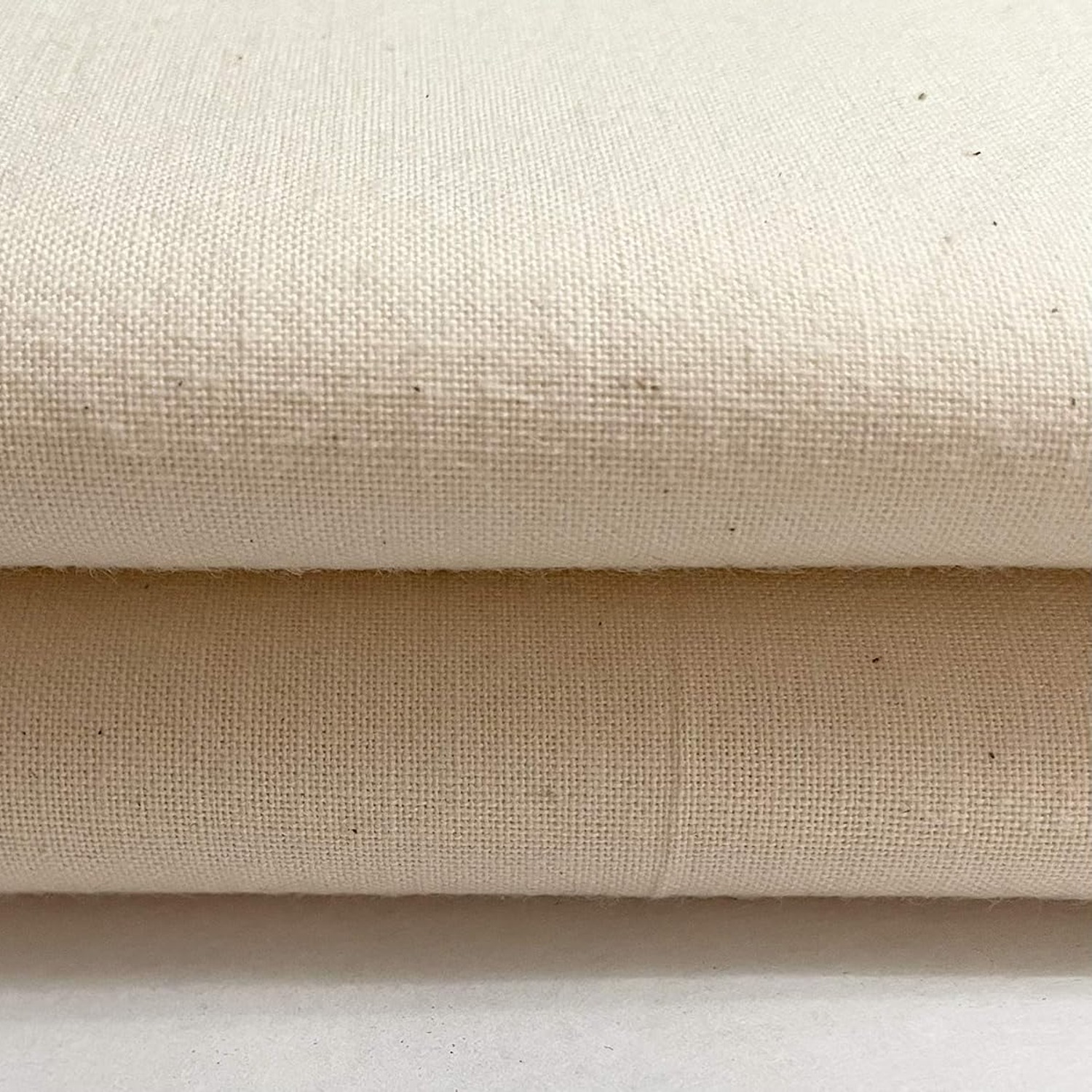
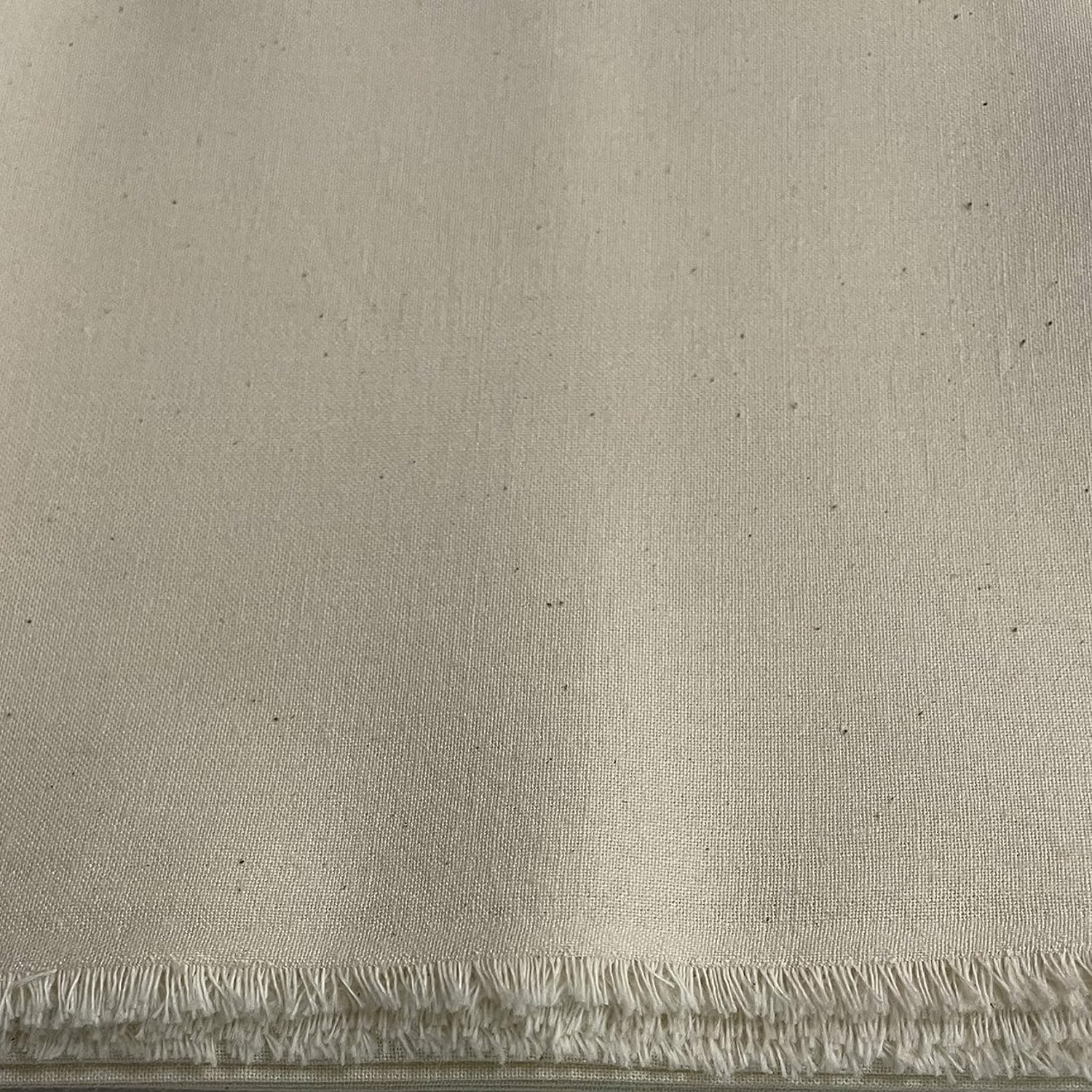
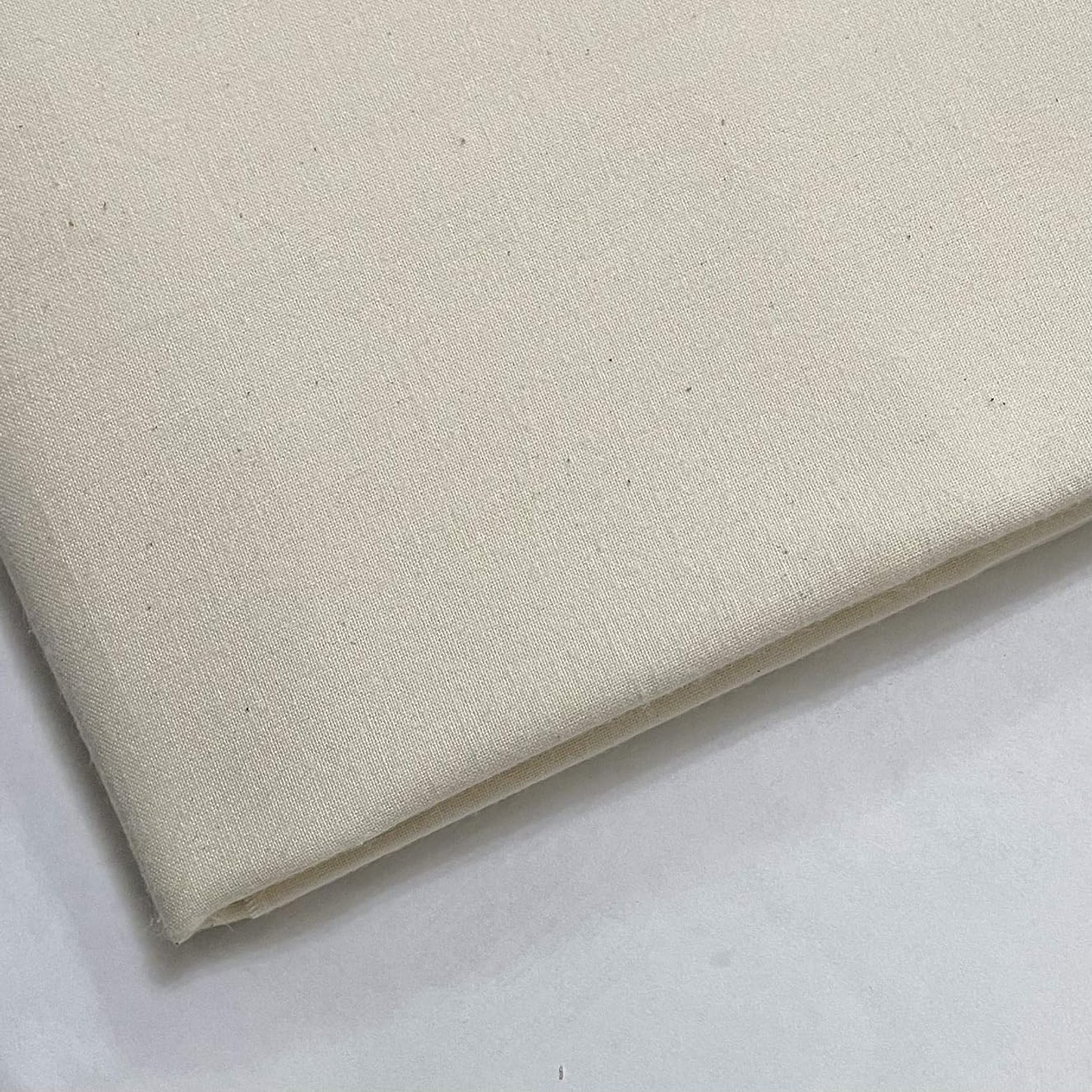
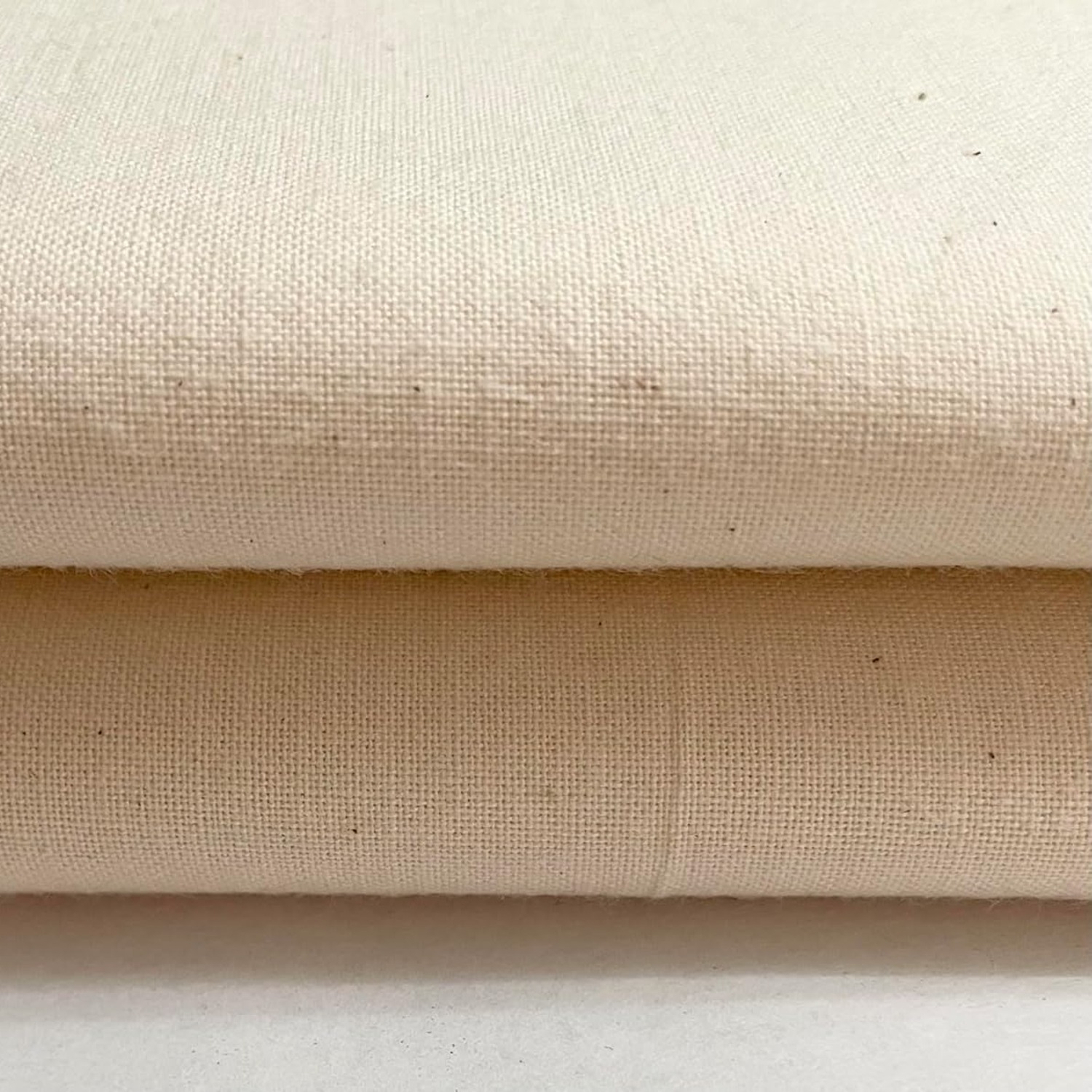
This product is one piece of natural, unbleached cotton calico, 3 metres long and 160 cm wide. It is a fixed length, so start by checking whether your planned pieces fit within those measurements. Think about preparation and shrinkage too, rather than treating every centimetre as ready-to-cut fabric.
Understand what this calico offers
The fabric is 100% cotton with a plain weave. It has a solid natural colour and is described as medium weight at 150 gsm. Those details are more useful than a broad claim that one cloth can do every job.
Plain weave calico gives you a surface without a printed pattern to match. For a test garment, that means your attention can stay on the shape and seams. For a craft project, it gives you a natural-coloured starting point for your own design.
The fabric is unbleached and unpreshrunk. Its creamy base is not the same as bright white, which matters if your plans involve pale paint or printed colours. It also needs preparation before you cut pieces that must finish at a set size.
Use a mock-up to answer specific questions
A toile is a test version of a garment. It helps you check a pattern before you commit to your final fabric. You might make the whole garment, or only the section that needs work.
For example, you could test the fit of a bodice without finishing every edge. You could also check pocket placement or practise joining awkward pieces. The aim is to learn something useful, not to create a polished copy at this stage.
Calico for toiles works best when you understand the limits of the test. Compare this fabric with your intended final cloth. A medium-weight cotton mock-up cannot show exactly how a stretchy knit or flowing fabric will behave. It can still help with construction, but it will not answer every question about drape or movement.
Check your layout before choosing a length
This piece measures 3 metres by 160 cm before any washing-related change. The extra wide calico format may give larger pattern pieces more space, but width alone does not tell you whether a whole project will fit.
Look at the fabric requirements on your pattern. Check which fabric width those requirements assume. Then consider the layout, including any pieces that must be placed on a fold or cut in a particular direction.
Leave room for seam allowances if your pattern does not already include them. You may also want an offcut for testing stitches or paint. If the layout only fits with no spare room at all, review it before buying. Unpreshrunk cotton needs some allowance for preparation, and the maker does not give a shrinkage percentage.
Match the weight to your project
Medium weight calico can be considered for pattern tests, lining, cotton bags and home décor. These are starting points, not a promise that the fabric suits every design in those groups.
A lining should work with the outer fabric rather than change its shape in an unwanted way. If the project calls for a very light lining, check whether this cotton gives the feel you want. If you are making a bag, think about the handles, seams and intended contents as well as the main panels.
The listed fabric weight is 150 gsm. That describes weight per square metre. The separate item weight of 749 g is not a substitute for it when comparing fabrics. Use the gsm figure alongside the weave and fibre content to make a more useful comparison.
Consider crafts beyond garment sewing
Cotton craft fabric can be useful when you want to make the design yourself. This calico is described as suitable for dyeing, painting and printing, so it offers several possible routes.
A painted panel, a printed bag or a simple sewn decoration will each ask something different of the fabric. Decide what the finished object needs before choosing your method. Will it be washed? Does it need to fold neatly? Is an exact colour important?
Treat a small offcut as part of the project, not as waste. It lets you see how your chosen process behaves on this unbleached craft fabric. Keep notes on the materials and steps you use so you can repeat a result you like.
Plan painting and printing around the natural colour
The creamy shade is part of the fabric, not a blank white background. That distinction can change the look of a design, particularly where the fabric shows through.
When testing calico for painting, use the same preparation you plan for the finished piece. Try the paint at the intended thickness and let it dry as directed. If the paint requires heat fixing or another finishing step, follow its instructions.
The same care applies to calico for printing. Test the detail and colour before working on a large area. A successful trial should include any fixing or washing steps required by the ink. The maker does not promise a particular printed result or colourfastness.
Pre-wash before you measure for cutting
This fabric has not been preshrunk. Pre-washing gives natural shrinkage a chance to happen before you turn the cloth into carefully measured pieces.
First, inspect the fabric and decide whether it is right for you. Washing changes its return eligibility, so do not use pre-washing as a way to assess a purchase you may want to send back.
Once you have decided to keep it, follow the care instructions. The product care field specifies hand wash only. Allow the fabric to dry, then measure what you have available. Build your cutting plan around those prepared measurements rather than assuming the original size remains unchanged.
No shrinkage percentage is supplied. It would be misleading to promise a precise finished length after washing.
Keep the sewing process focused
Before cutting your main pieces, try a seam on an offcut. Check your machine setup against its guidance and look at the result. Make any needed adjustments before moving to the project.
For sewing mock-up fabric, mark the details that will help you assess the pattern. These may include seam lines, fitting points or pocket positions. Test any marking tool first so you understand how it behaves on the natural surface.
If you make changes during fitting, description them on the pattern as well as the test piece. That small habit makes the toile useful later. Otherwise, it is easy to forget which adjustment solved the problem when you return to cut your final fabric.
Know which claims are not given by the maker
A useful fabric description should make its limits clear. Country of origin is not specified by the maker, and no certifications are given.
There is also no stated abrasion rating or bag load capacity. Upholstery priming is a suggested use, but that does not mean the calico has been tested as a finished covering for frequently used seating.
For projects with special requirements, ask for the evidence you need before ordering. That is especially important when a pattern, client brief or intended use calls for a certified material. A plain cotton description cannot stand in for a test result.
Check the order while it is still returnable
When the fabric arrives, check it before washing or cutting. Confirm that the piece matches what you ordered and look for any issue that needs attention.
The return period is 14 days from delivery. For a change-of-mind return, the fabric must be unwashed, uncut, unused and in its original packaging. The customer pays return postage. Faulty or wrongly described goods are put right free of charge.
Delivery timing is not specified by the maker. If you are working towards a class, gift or event, check the delivery information for your address before making plans around an arrival date.
The short version
Choose this natural cotton fabric when your project calls for a plain, unbleached, medium-weight base. You receive one piece, 3 metres long and 160 cm wide, for uses such as pattern tests, lining and crafts.
Check the layout first, inspect before washing, and allow for shrinkage before cutting. For dyes, paint or printing, start with an offcut. Those simple steps help you decide whether the fabric suits the job before you commit the whole piece.