
The complete guide
A Practical Guide to Choosing and Using Craft Felt Sheets
Small projects need the right amount of fabric
A little stitched picture or a set of finger puppets rarely needs a whole length of fabric. It needs pieces that fit the design, colours that work together and enough room to cut the shapes. Buying a large piece in every shade can leave you with more fabric than the project calls for.
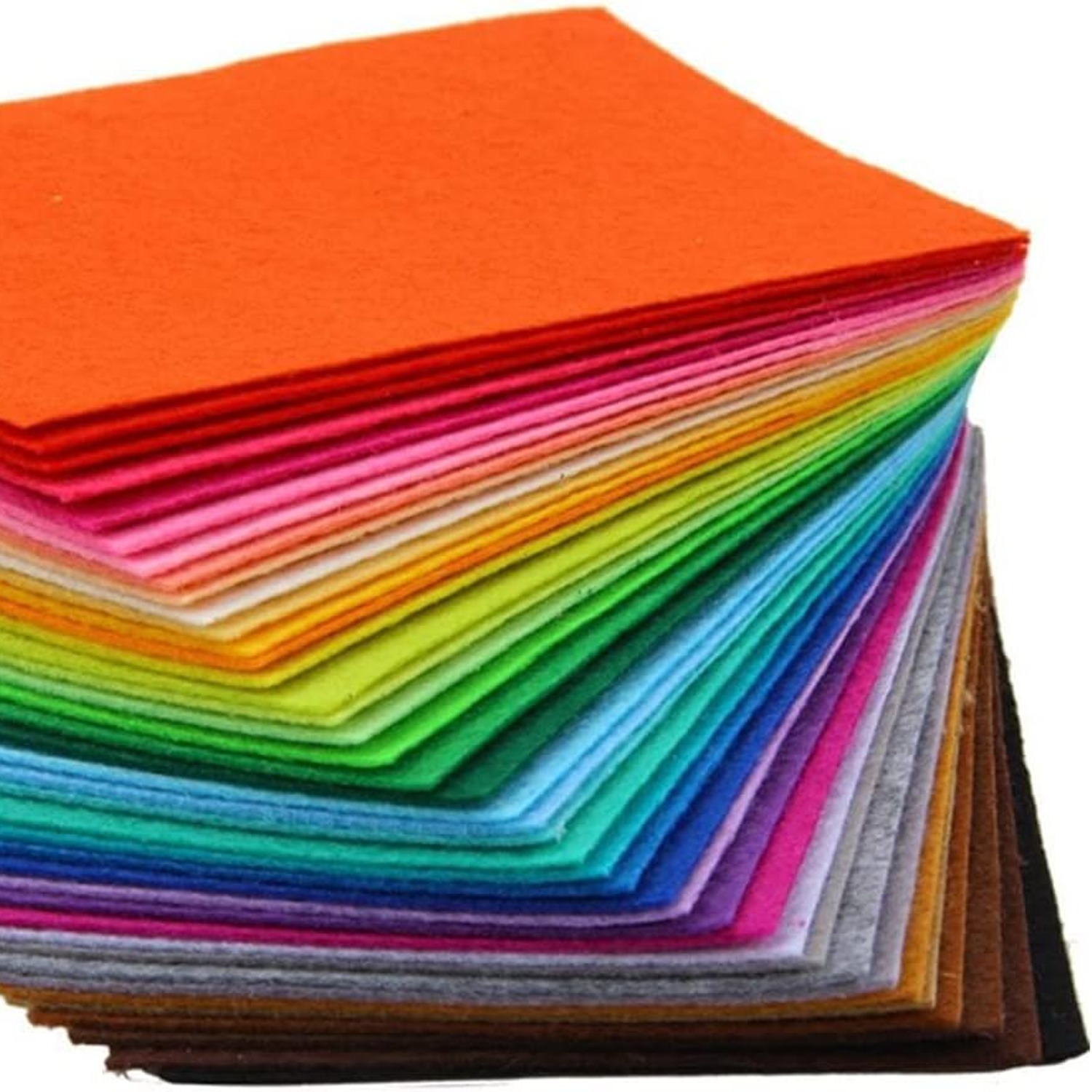
This pack takes a smaller approach. It contains 40 felt sheets in assorted colours, each measuring approximately 15 x 10 cm. They are separate precut rectangles, not a roll or a continuous length.
That format is worth keeping in mind from the start. These are felt sheets for crafts such as small pictures, patchwork and decorative details. They make more sense for a collection of little shapes than for one large, unbroken panel.
What the pack offers
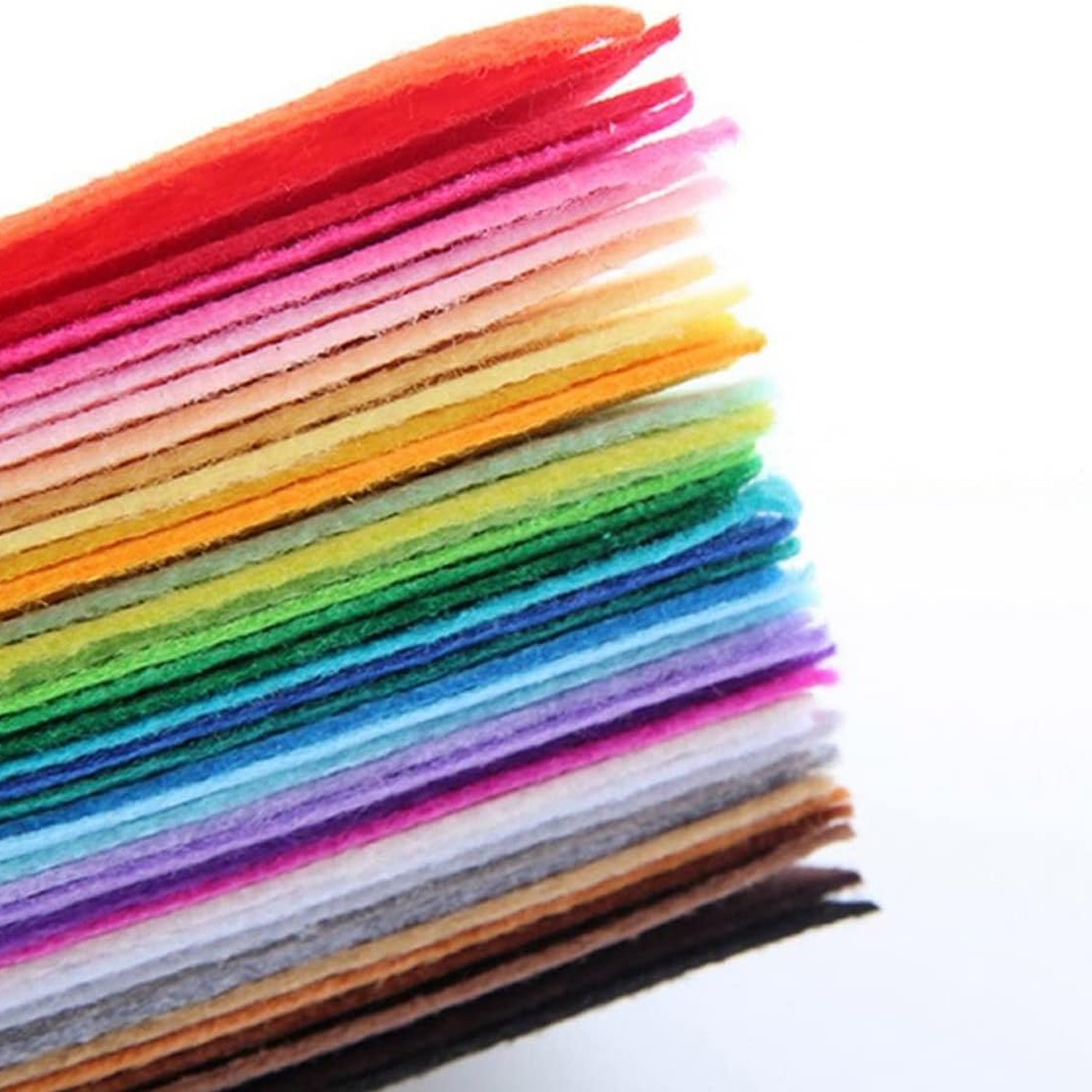
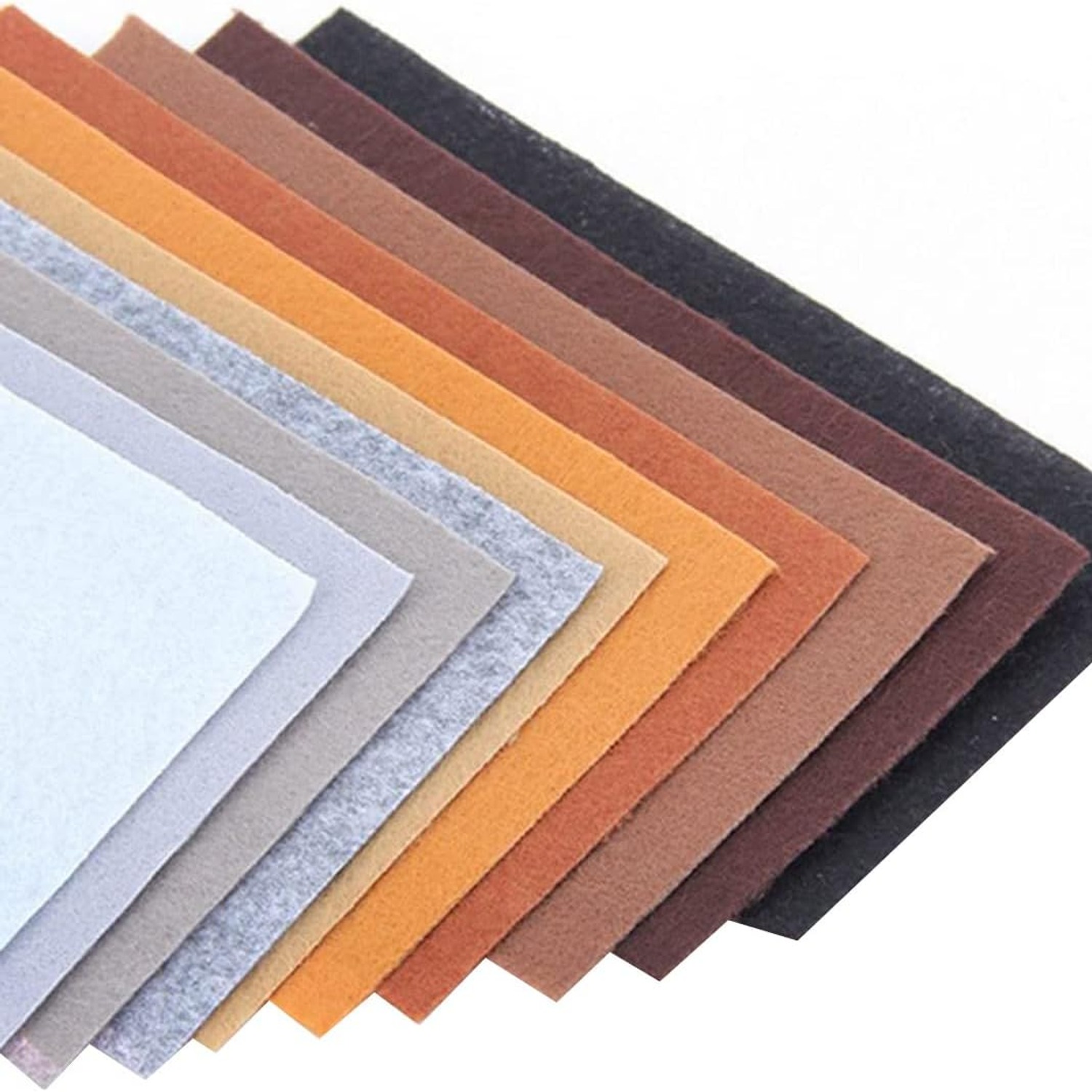
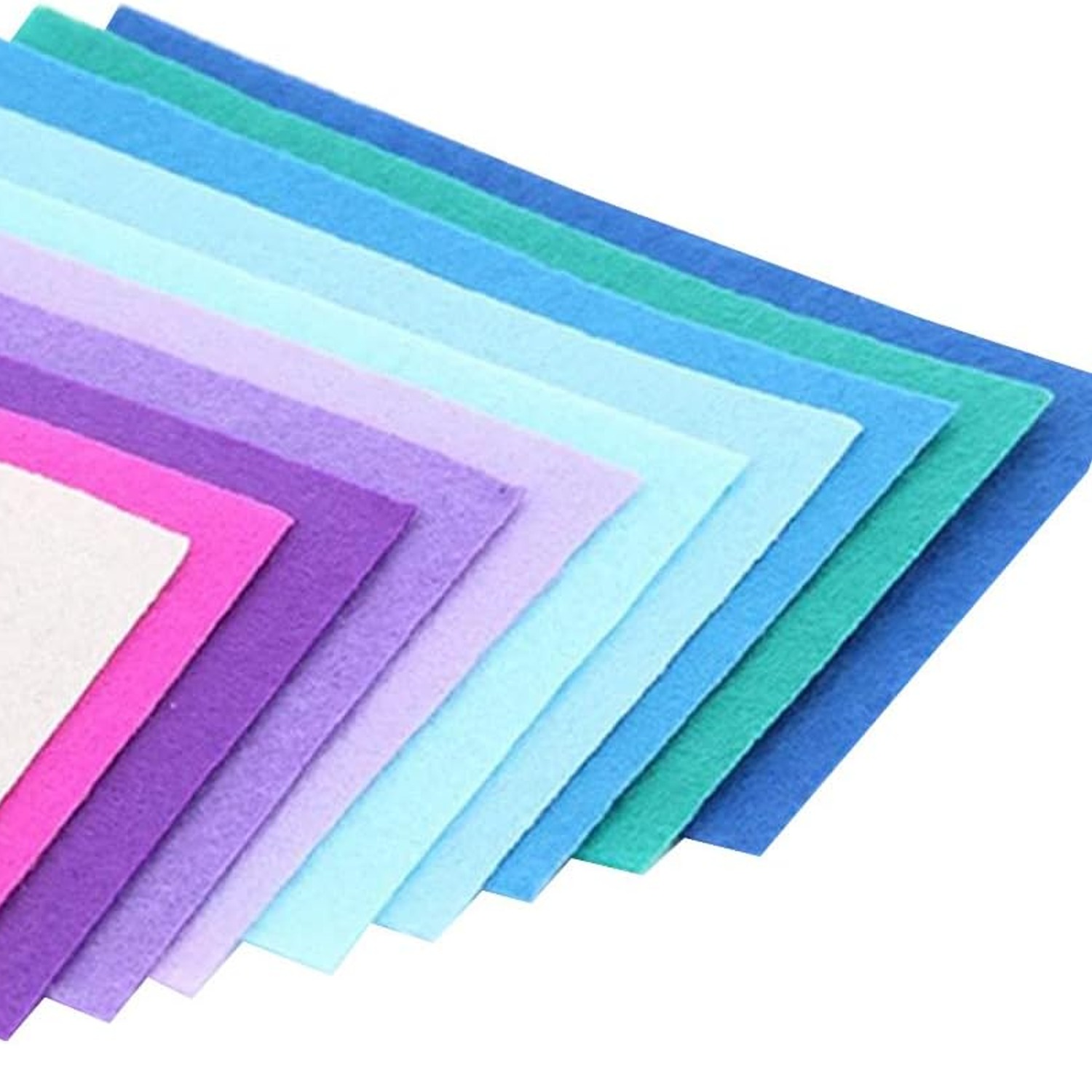
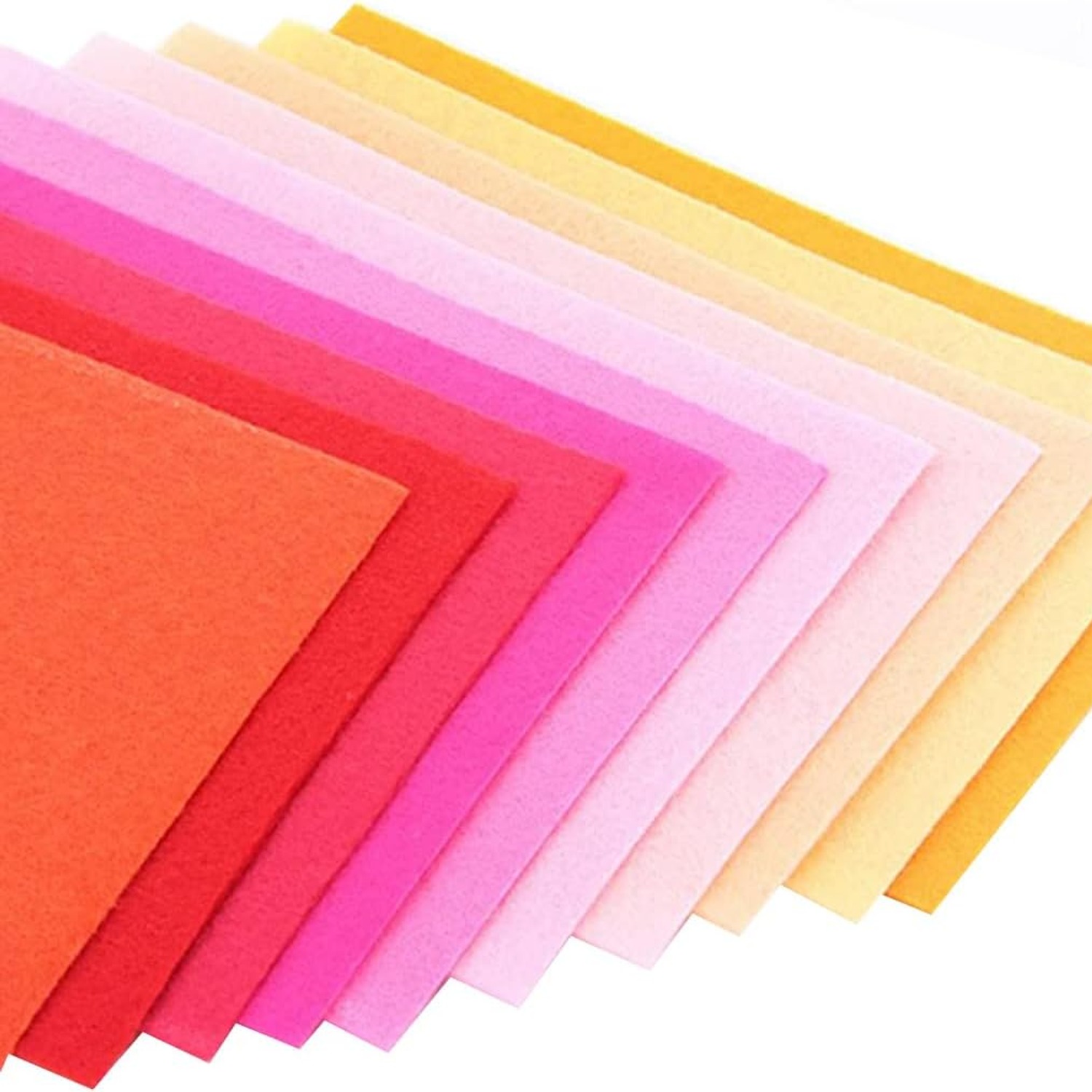
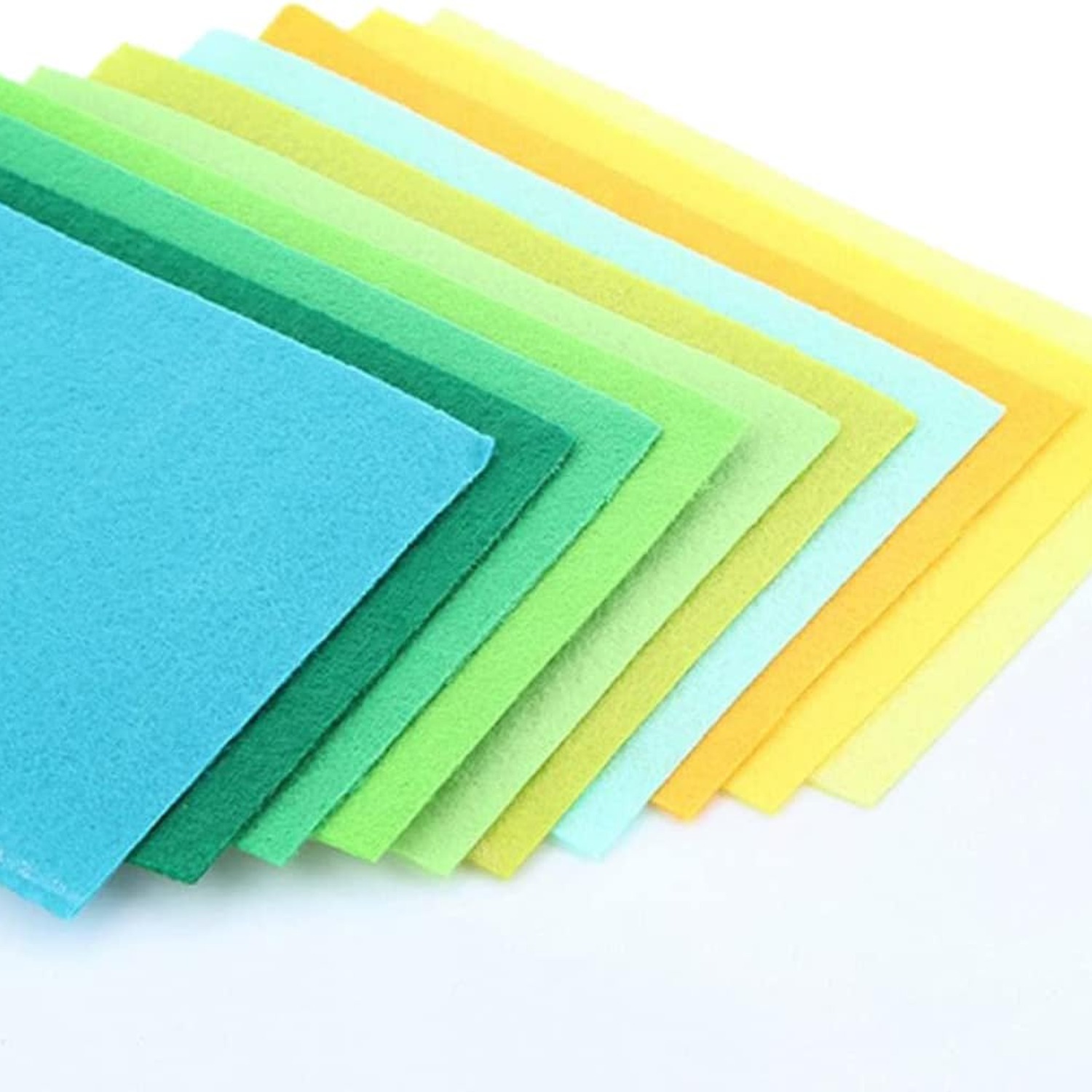
The main facts are straightforward. You receive 40 sheets of soft felt with a solid colour pattern and a listed double-napped finish. The pack is multicoloured, with purple, pink, blue, brown and black among the shades described.
The exact colour mix is not stated. Neither is the number of sheets in each colour. Treat the assortment as a starting point for choosing a palette, rather than a promise that a particular shade will appear several times.
For a flexible design, this can be useful. You can lay out the sheets, compare colours and decide which combinations suit the idea. If you need ten identical shapes in one exact shade, however, check the supply before committing to that plan.
Check the size before choosing a project
The approximate 15 x 10 cm size is the most useful measurement when deciding whether this pack fits your needs. Draw a rectangle that size on paper and place your proposed design inside it. This quick check can save disappointment later.
Remember to include any space needed for joining pieces. A puppet pattern may fit as a flat outline but need extra room around its edge for stitching. A folded needle book also needs enough fabric for the fold and the finished cover.
Small felt rectangles can be combined into larger work, but joins become part of the design. If you want a smooth background with no joins, choose a sheet large enough for the whole background instead.
The maker also lists a unit count of 1.25 square metres.
Understand what is and is not specified
The product details call the material felt and also list chemical fibre. They do not give an exact fibre blend. There is no basis here for treating the sheets as wool felt or making assumptions about natural fibre content.
Thickness is not stated either. That matters if you are following a pattern that calls for a set thickness or a stiff material that holds its shape without support. Softness alone does not tell you how a finished structure will behave.
The listed double-napped finish is a surface detail, not a thickness measurement. If your project depends on precise material properties, ask for confirmation before buying. For open-ended craft work, you have more room to adapt the design once you can handle the sheets.
Cutting and arranging your pieces
Start with a paper outline when a shape matters. Set it on the felt and check the placement before cutting. Turning a template around may let you fit another small piece beside it and leave less waste.
For felt picture making, arrange the larger shapes first. Add smaller details after you are happy with the main layout. It is easier to change a colour or move a shape before anything has been attached.
Keep useful offcuts nearby. A strip left from a large shape may be enough for a narrow border, while a small corner can become a detail in another design. Precut craft felt goes further when you plan the small pieces as well as the main ones.
If children are taking part, an adult should choose suitable tools and supervise as needed. The maker gives no age recommendation or safety certification.
Sewing by hand or machine
Both hand and machine sewing are stated uses for this craft felt fabric. That gives you a choice of methods, depending on the project and the tools you already have.
For hand sewing, begin with a simple shape and try a few stitches on an offcut. Check whether the thread, needle and stitch spacing give the result you want. A small test is especially helpful when you have not worked with this particular felt before.
Use the same approach with a sewing machine. Test your chosen settings on spare material before sewing the main pieces. If you are adding a backing or layering several shapes, test that combination rather than a single sheet alone.
Cross-stitch is also among the suggested uses. No fabric count or printed grid is stated, so do not assume it can replace a counted cross-stitch fabric without changes to your method.
Choosing projects that suit the format
Finger puppet felt needs to fit both the template and the method used to join it. Start by checking that every part fits within the sheet. Keep the first design simple so you can judge the finished size before cutting a whole set.
A needle book is another listed project. Think about the cover, the fold and how the inner pieces will attach. A paper mock-up helps you see whether the finished item will be the size you intended.
Felt scrapbooking supplies can add fabric shapes to a page, but thickness still matters. Before attaching anything, close the album or folder with the pieces in place. Consider whether your chosen fastening method and page layout leave enough room.
For felt for costume details, focus on smaller accents. These sheets are not large garment panels. A design made from separate shapes is a more natural fit than one that needs a broad, continuous piece.
Using assorted colours well
An assorted colour felt pack works well when the design can change with the available shades. Instead of choosing an exact palette first, start with the sheets you have and build around colours that look good together.
For a small picture, you might choose a background from another material and reserve the felt for the main shapes. For patchwork, lay the pieces side by side before joining them. The arrangement can matter as much as the individual shades.
If you are planning a group activity, avoid promising every person the same colours. The colour quantities are not specified. A shared theme with different colour choices leaves more room for the assortment you receive.
Solid colour felt also lets shape and stitching take the lead. You do not need a complex outline to make a clear design. A few well-placed pieces can be easier to work with than lots of tiny details.
Planning a school or shared craft session
Felt for school projects is one of the stated uses, but the pack should be planned around the activity. Count how many sheets or shapes each person needs before deciding whether one pack is enough.
Make a sample first if possible. It will help you judge how much cutting is involved and whether the joining method is practical for the time available. It can also reveal whether a template needs more space than expected.
Only felt sheets are listed as included. Prepare scissors, thread, needles or other joining supplies separately, as required by the activity. There is no adhesive backing specified, so do not assume the pieces can simply be peeled and stuck in place.
Care for the felt and finished work
The stated care instruction is hand wash only. Before washing a finished project, try a small offcut and consider everything else you have added. Thread, backing and adhesive may each have different care needs.
Do not assume machine washing or tumble drying is suitable. The maker does not provide support for either method. If a project needs frequent washing, settle the care question before spending time on the finished piece.
Store unused sheets flat so they are easy to sort and inspect. Keep smaller pieces in a separate envelope or container rather than losing them among full sheets. Those scraps may be just right for the next detail.
Check before cutting
When the pack arrives, look at the size, feel and colour assortment before starting work. This is the moment to decide whether it suits your pattern. Once fabric has been cut, washed or used, it no longer meets the stated change-of-mind return conditions.
Returns are available within 14 days of delivery for unwashed, uncut, unused fabric in its original packaging. The customer pays return postage. Faulty or wrongly described goods are put right free of charge.
A delivery lead time is not specified by the maker. Check the delivery information for your address before ordering for a class, celebration or gift deadline.
The short version
Choose this pack for small, colourful projects that can work with an assortment of shades. You get 40 felt rectangles, each approximately 15 x 10 cm, for cutting, shaping and stitching by hand or machine.
Check your template, allow for joins and keep your colour plan flexible. If you need a precise thickness, a known fibre blend or a guaranteed quantity of one shade, confirm those details first. For compact craft ideas, the key is matching the design to the pieces you have.