
The complete guide
A Practical Guide to Choosing Black Faux Leather Fabric
Start with the project, not just the colour
A worn seat or an unfinished bag pattern can send you looking for black faux leather fabric. The colour may be easy to choose, but getting the right material takes a little more thought. You need enough fabric for the shape, a finish that suits the design and a way to join it that works with your tools.
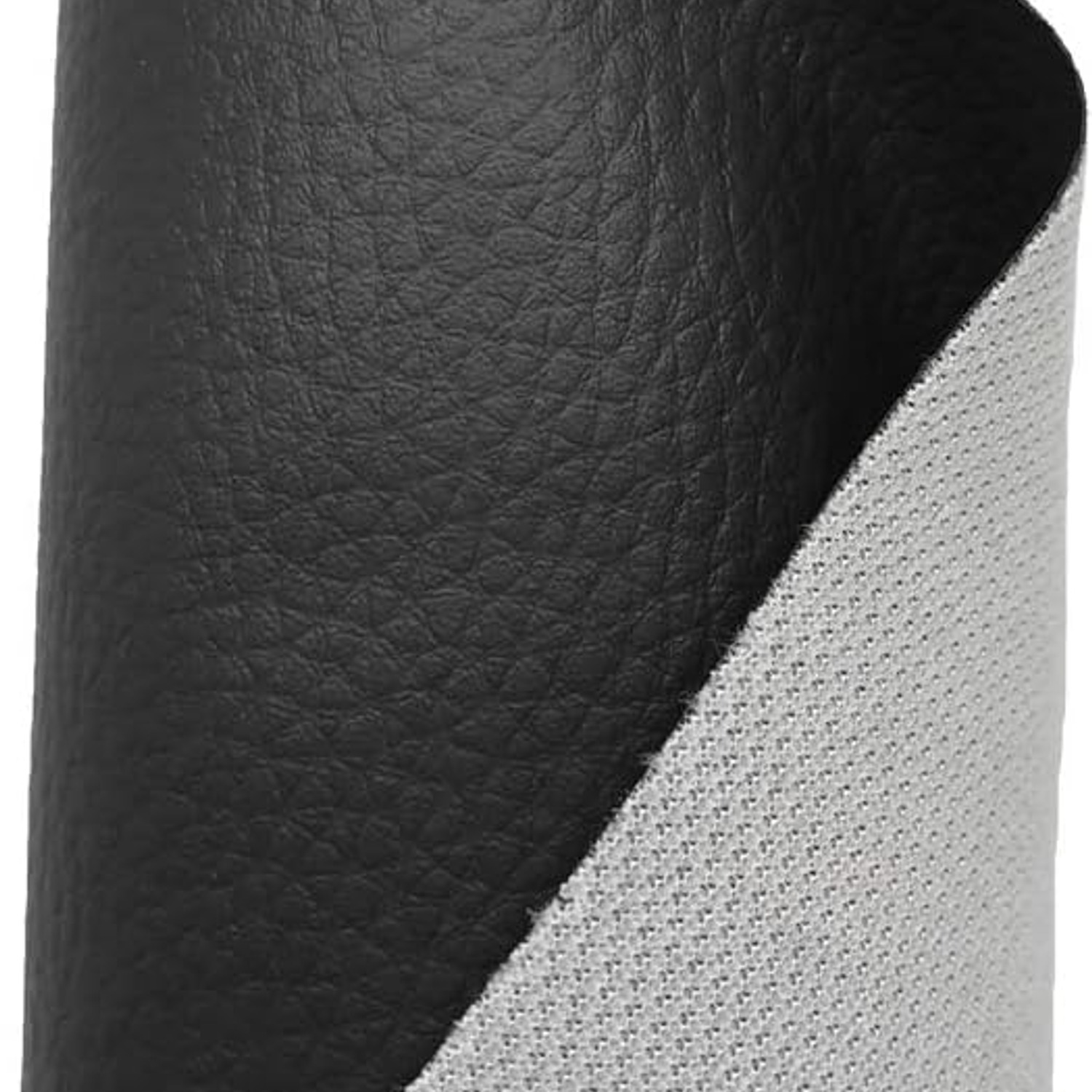
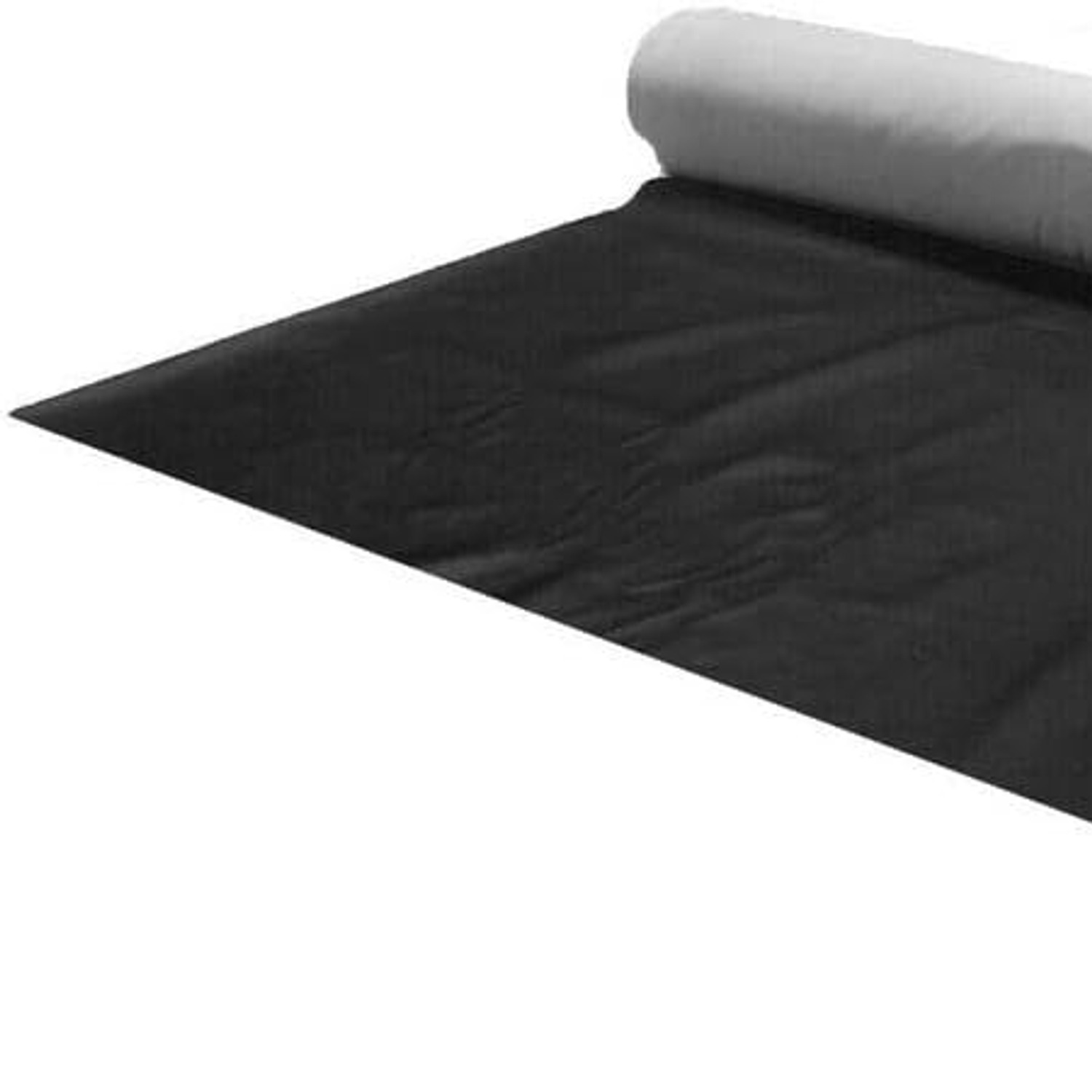
This product is one piece of grained black faux leather, 2 metres long and 140 cm wide. It is a fixed-size piece rather than a custom cutting service. That makes your first task simple: check whether your pattern fits before you buy.
Think about how the finished item will be used, too. An occasional craft project has different needs from a seat used every day. This guide explains what is stated about the fabric and where you may need more information.
What the leather-look finish gives you
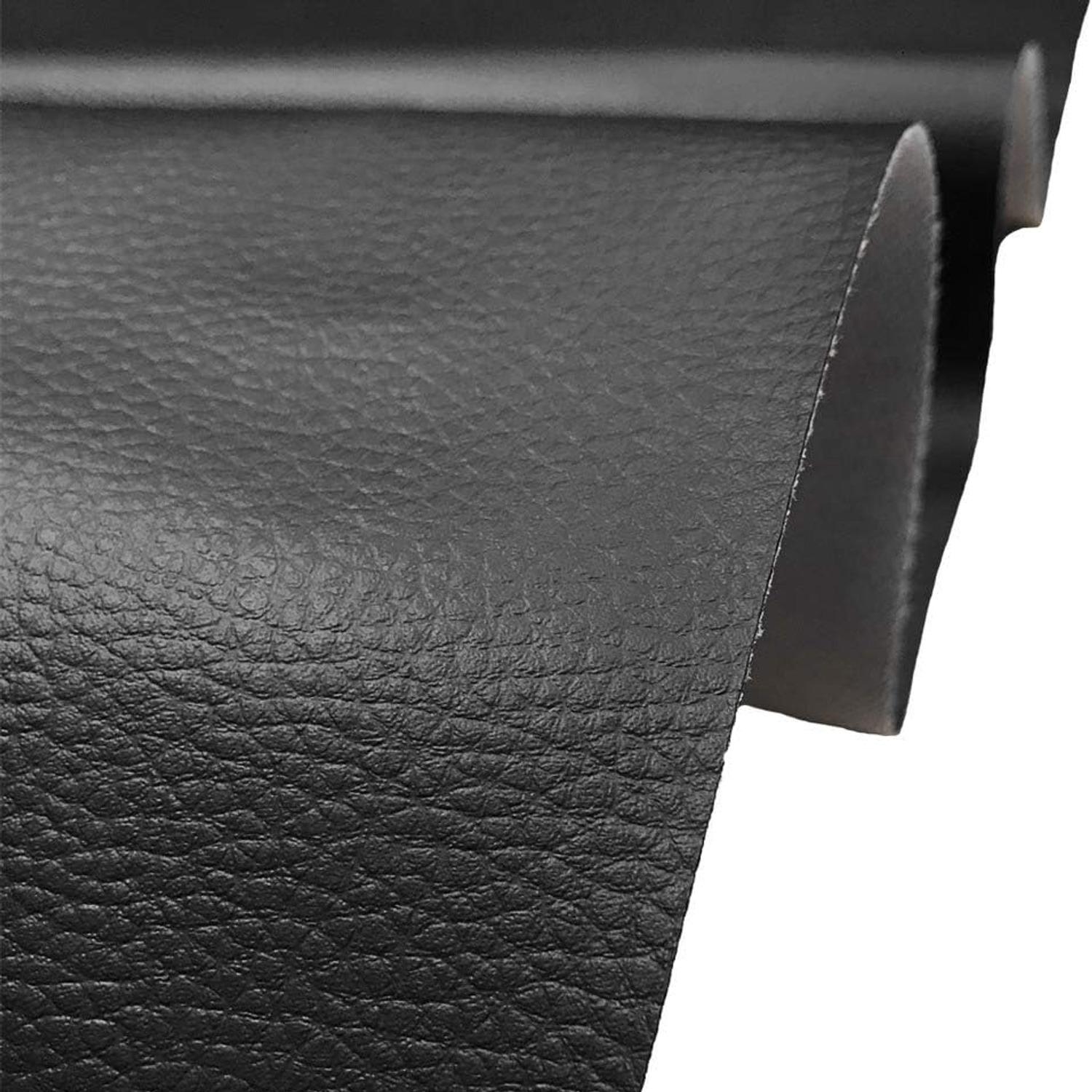
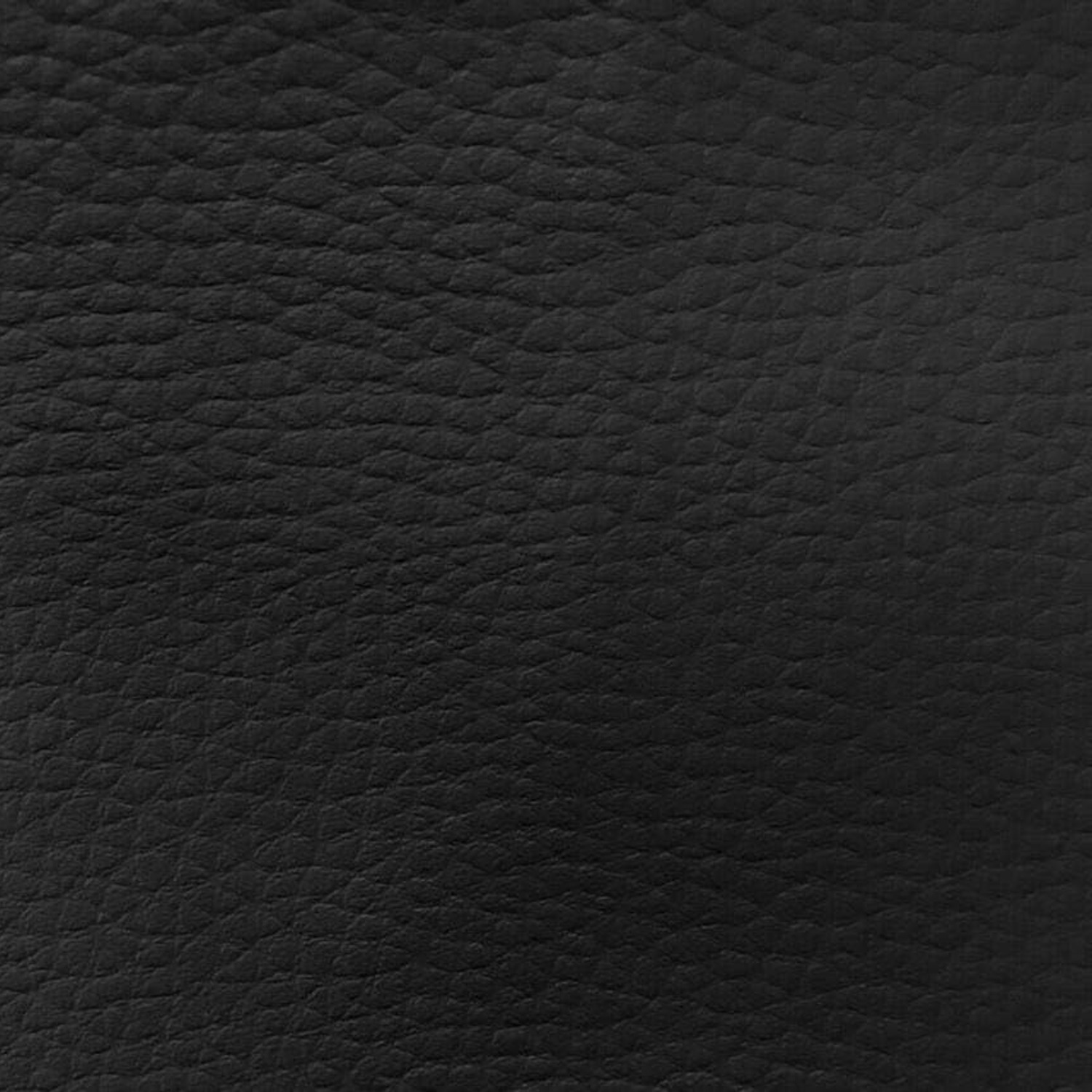
The surface is described as grained, with a solid black colour. That means the visual detail comes from texture rather than a printed pattern. It is an option to consider when you want a leather-look surface without choosing genuine leather.
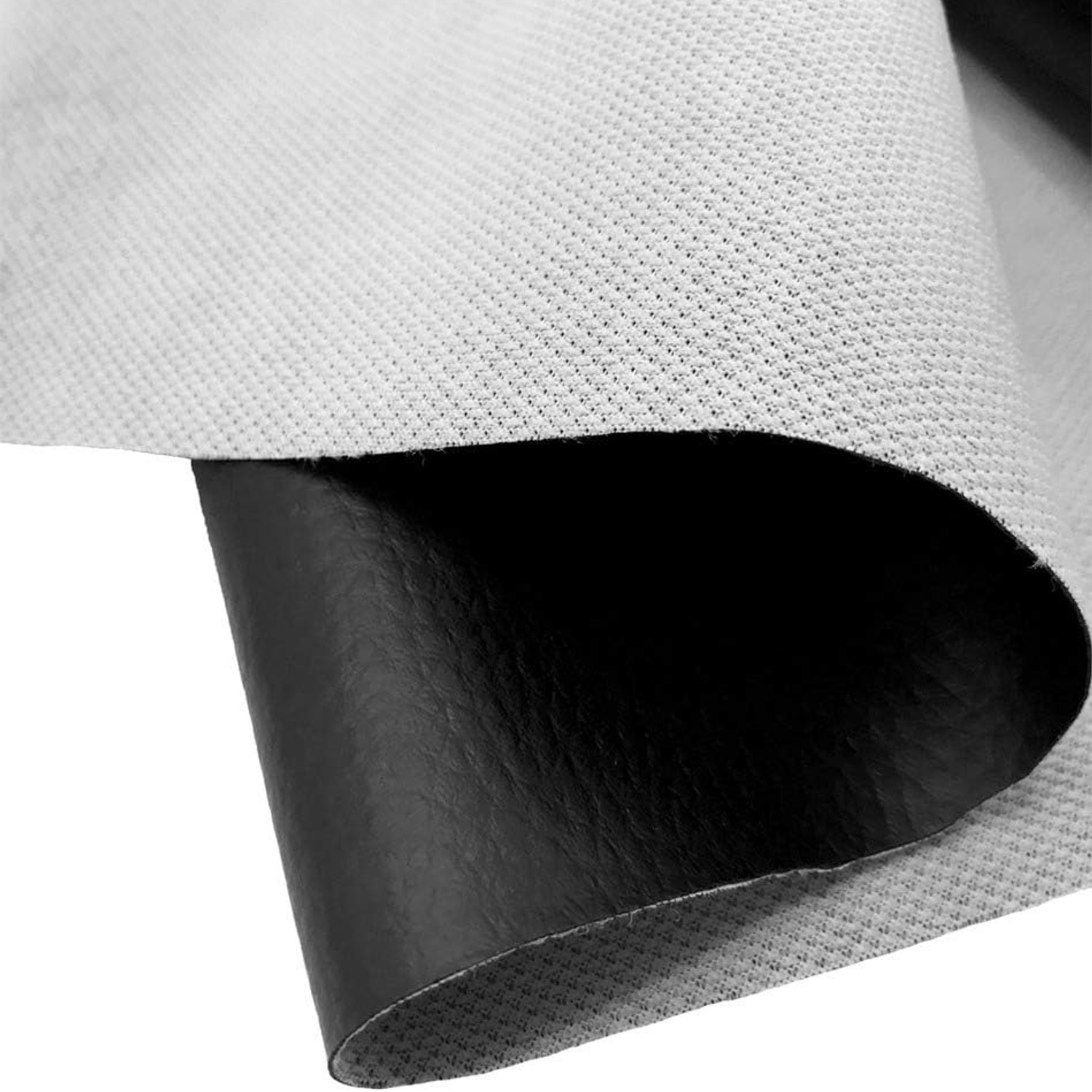
The maker's description uses the terms faux leather, vinyl and leatherette. Polyester is the stated material, but the exact coating composition is not given. Those names tell you the general product type, not every detail of its construction.
If a particular coating or backing is important to your project, ask before ordering. Do the same if you need a precise colour match to existing furniture. A black finish alone does not establish that two different fabrics will match in shade, grain or sheen.
Understand the size before planning a cut
The supplied piece measures 200 cm by 140 cm. Sketch that rectangle on paper, then draw in every part of your project. Include hidden sections as well as the visible face.
For a seat, the top panel is only part of the job. You may need fabric for the sides and enough extra to fold or secure underneath. A bag can need a base, handles, pockets and several seam allowances. These smaller sections can change whether the layout fits.
Do not treat the full width as available for every finished panel without checking your allowances. Leave room for the way your pattern is assembled. If two panels need to sit beside each other, compare their combined width with the piece before committing.
Paper templates can make this easier. Move them around within a marked rectangle and check the layout twice. It is much less frustrating to find a space problem on paper than after the first cut.
Check thickness and layers together
The approximate thickness is 0.8 mm. That is useful information, but a finished seam may contain several layers, especially around folded edges, straps or corners.
When assessing faux leather sewing fabric, think about the thickest section your machine will have to handle. A flat panel and a folded bag handle are very different sewing tasks, even when they start with the same material.
Machine compatibility is not specified by the maker. Check your machine manual and test the planned layers on an offcut. Look at how the fabric feeds, whether the stitches form properly and whether the finished seam looks suitable.
The listed item weight is 1.4 kg. Do not use that number as a substitute for a fabric weight per square metre or a measure of strength. Those are different specifications.
Is it right for upholstery?
Upholstery is a stated use, so this leathercloth fabric is worth considering for furniture projects. Still, the word upholstery does not answer every question about wear, safety or installation.
Start by measuring the furniture. For a small seat, check the top, side depth and fixing allowance. For larger pieces, map each panel separately. A single 2-metre piece should not be assumed to cover a whole chair or sofa.
Next, consider the setting. The maker does not provide an abrasion test result or fire certification. If your furniture must meet a particular standard, confirm the required evidence before buying.
The same caution applies to upholstery repair fabric. A new patch may differ from the surrounding cover in texture or appearance. Think about whether a visible contrast is acceptable, or whether replacing a full panel would better suit the project.
Bags, accessories and clothing
Bags and clothing are also listed uses. For a bag, the solid black finish leaves room for details such as contrasting thread, lining or hardware. Those extras are separate project choices, not items included with the fabric.
Plan stress points before cutting. Handles, closures and the base may need a construction method that your pattern explains. Test the relevant seam rather than judging the material only as a flat sheet.
For clothing, check the pattern's fabric requirements closely. The maker does not state stretch, breathability or drape. If the design depends on one of those properties, do not assume this material will supply it.
Small accessories can be a useful way to assess textured vinyl material before attempting a larger make. Even then, plan carefully. A small object with tight corners or several folded layers can be more demanding than a broad, simple panel.
Choose a joining method before you start
The fabric is described as suitable for cutting, sewing or gluing. That gives you options, but it does not mean every adhesive or sewing setup will work equally well.
If you plan to sew, prepare a small test with the same number of layers as the finished item. Use your machine's guidance to choose suitable equipment. Check both sides of the stitching before moving to the main panels.
If you plan to glue, choose an adhesive intended for the materials being joined. Follow its instructions and test it on an offcut first. Allow the test to finish curing before judging the result.
Keep the test piece if you can. It gives you a reference for later steps and a place to try a cleaning method without risking the finished project.
Keep the grain direction consistent
A solid colour does not remove the need for a careful layout. With grained faux leather fabric, turning one panel may change how the surface looks beside another.
Before cutting, place matching panels in a consistent direction and view them together. This matters most where two pieces meet on a visible face. Mark orientation on your paper pattern so you can keep track as you work.
Lay the fabric flat and support the piece while measuring. Check the outline before making permanent cuts. Avoid marking the visible face until you have tested how your chosen marking method behaves.
Work in a clear space where the whole panel can rest without pulling over an edge. Careful handling at this stage can help you avoid mistakes that no amount of extra stitching will fix.
Know the limits of water and wear claims
The source describes the material as waterproof and lists durability as a feature. However, no water test rating, abrasion score or expected service life is supplied.
A fabric description also does not establish the performance of a finished item. Stitch holes, joins and exposed edges can affect how a cover behaves around water. Do not assume a sewn seat cover will keep its contents dry.
Outdoor use needs a separate check. UV resistance and an outdoor-use rating are not specified. If you are looking for fabric for seat covers on exposed garden furniture, ask for that information rather than treating a water-related description as an outdoor guarantee.
This is especially important when replacing material that had a known technical specification. Compare the actual requirements, not just the surface appearance.
Care without unnecessary heat
The stated care guidance allows hand washing or machine washing at a low temperature. It also says not to bleach, tumble dry or iron the fabric. Follow any instructions supplied with your piece.
Do not try to press out folds with an iron. Direct heat is not supported by the care guidance. If the fabric arrives with creases that concern you, ask for advice before attempting a treatment.
For a finished project, remember that the other components matter too. A lining, adhesive, filling or fastening may have its own care limits. Use a cleaning method that suits the whole item, not just the outer fabric.
Dry cleaning is listed as possible, but no process is specified. Check the supplied guidance and consult a professional cleaner before arranging it.
Inspect first and keep your options open
When the fabric arrives, check its size, appearance and condition before washing or cutting. Compare it with your pattern and any existing material you hope to match. Keep the original packaging while you make that decision.
Returns are available within 14 days of delivery for fabric that is unwashed, uncut, unused and in its original packaging. The customer pays return postage. Faulty or wrongly described goods are put right free of charge.
No delivery lead time is specified in the maker's description. If you are working towards an event or giving the material as a gift, check the delivery estimate before ordering. Leave time to inspect it before the project begins.
The short version
Choose this black leatherette fabric when its grained finish and fixed 2-metre by 140 cm size suit your plan. Polyester is the stated material, and the approximate thickness is 0.8 mm.
Measure every panel, test your joining method and confirm any performance requirements that are not stated. Keep the piece uncut until you are satisfied it fits the job. A little planning at the start gives you a clearer path from a sheet of fabric to a finished project.