
The complete guide
A Practical Guide to Choosing Fusible Fleece for Larger Sewing Projects
When your fabric needs more body
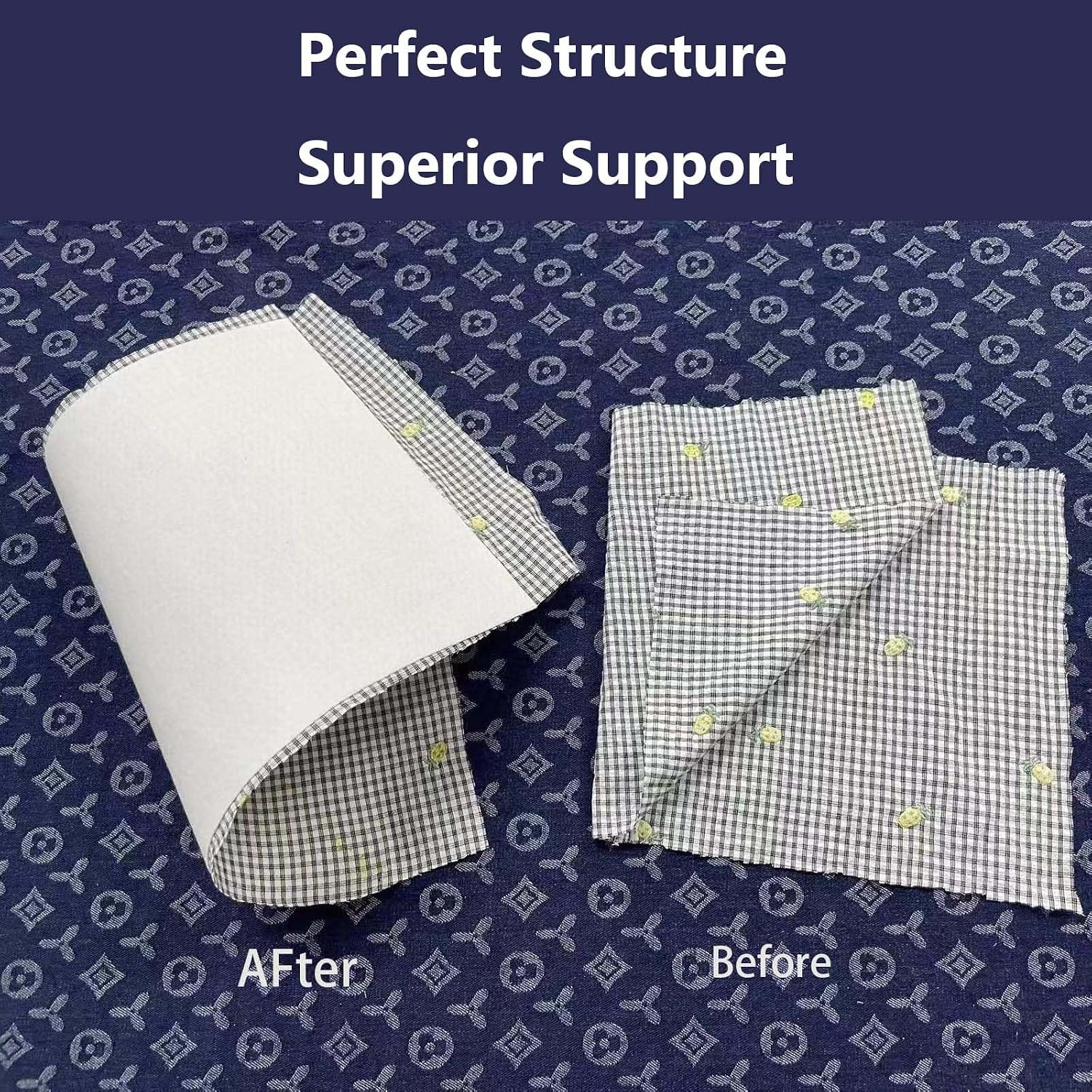
A fabric can look right for a bag yet feel too light once you start putting the pieces together. A large front panel may need support, or a handle may need another layer inside it. Choosing that inner layer is part of getting the finished feel you want.
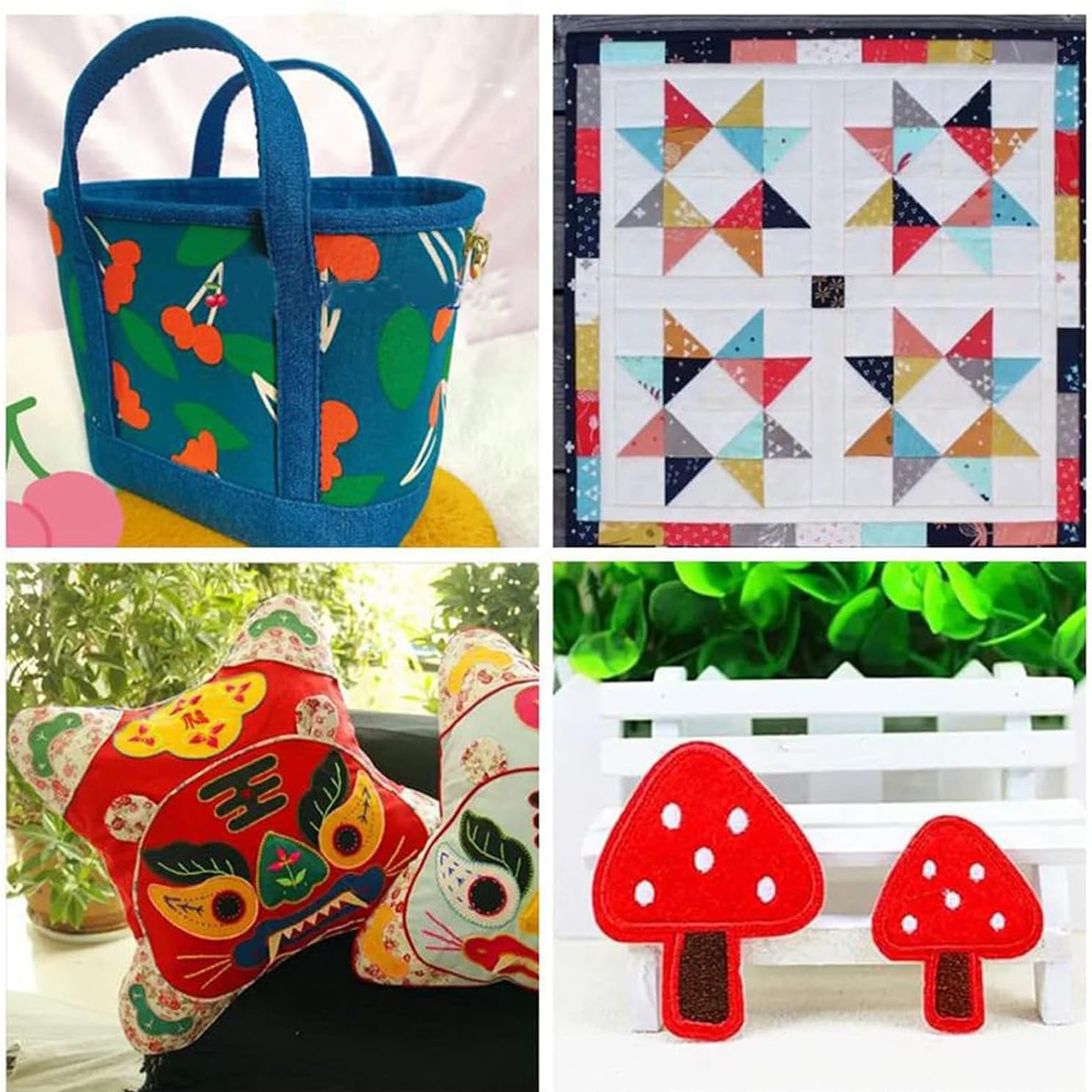
Fusible fleece is one option when your pattern calls for added body with a fleece layer. This piece is medium weight and intended for larger bag parts, handles, bases and cushion projects. It is not recommended for small bags.
The useful starting point is your pattern, not the fleece alone. Check what the designer asks for, then compare the type, thickness and amount required. That small check can prevent a lot of unpicking later.
What this piece gives you
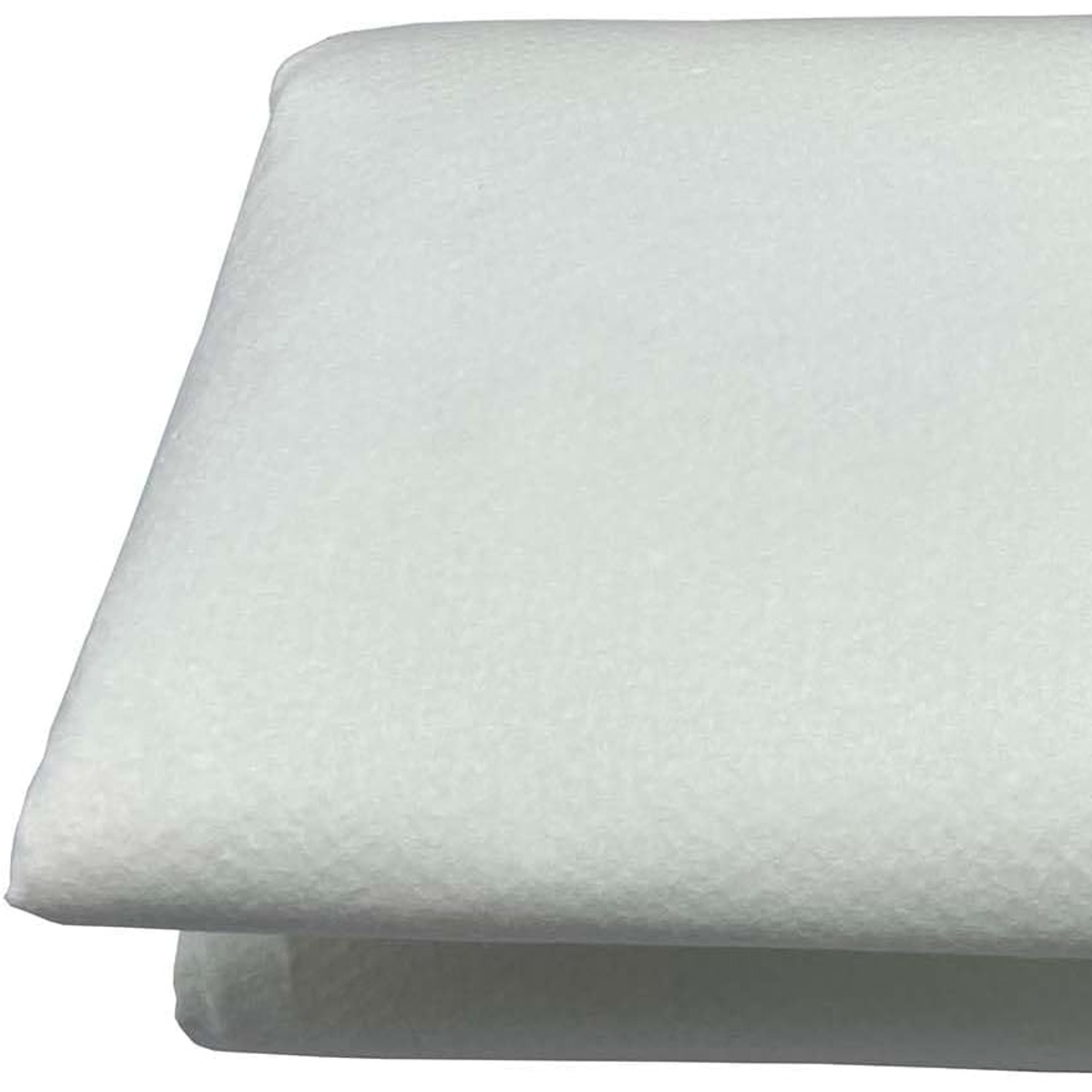
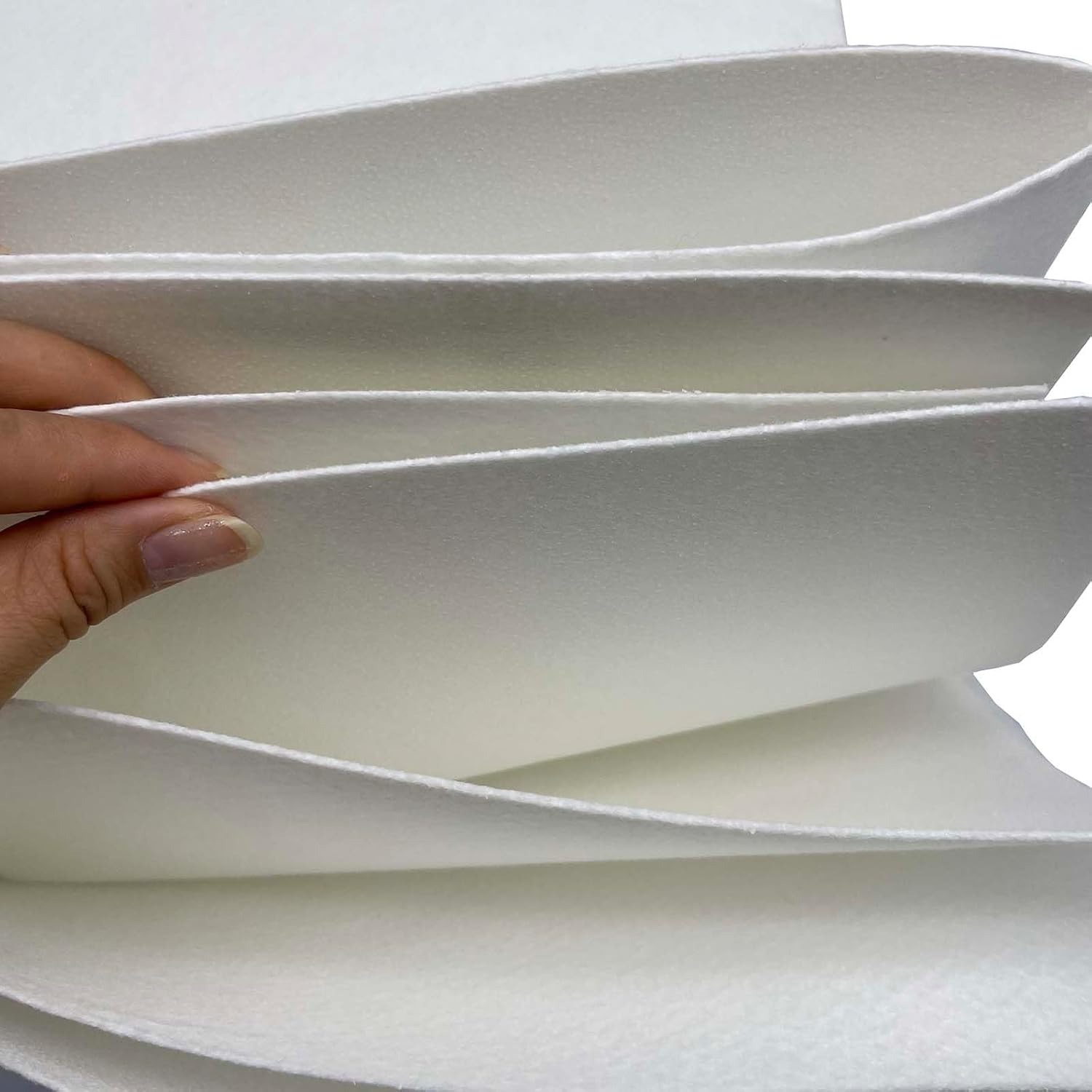
You receive one piece of white fusible fleece measuring 120 cm wide and 1 metre long. It is made from 100% polyester, with a stated thickness of 1.3 mm. One side is fusible.
The maker describes the feel after January 2026 as medium-soft. That gives some guidance, but it is not a measured firmness rating. It also does not promise that a finished bag will stand upright without other support.
Think of this as a layer within a larger construction. Your outer fabric, lining, pattern shape and seams all affect the result. Medium weight fusible fleece cannot tell you, on its own, exactly how a finished panel will feel.
How one-sided fusing works
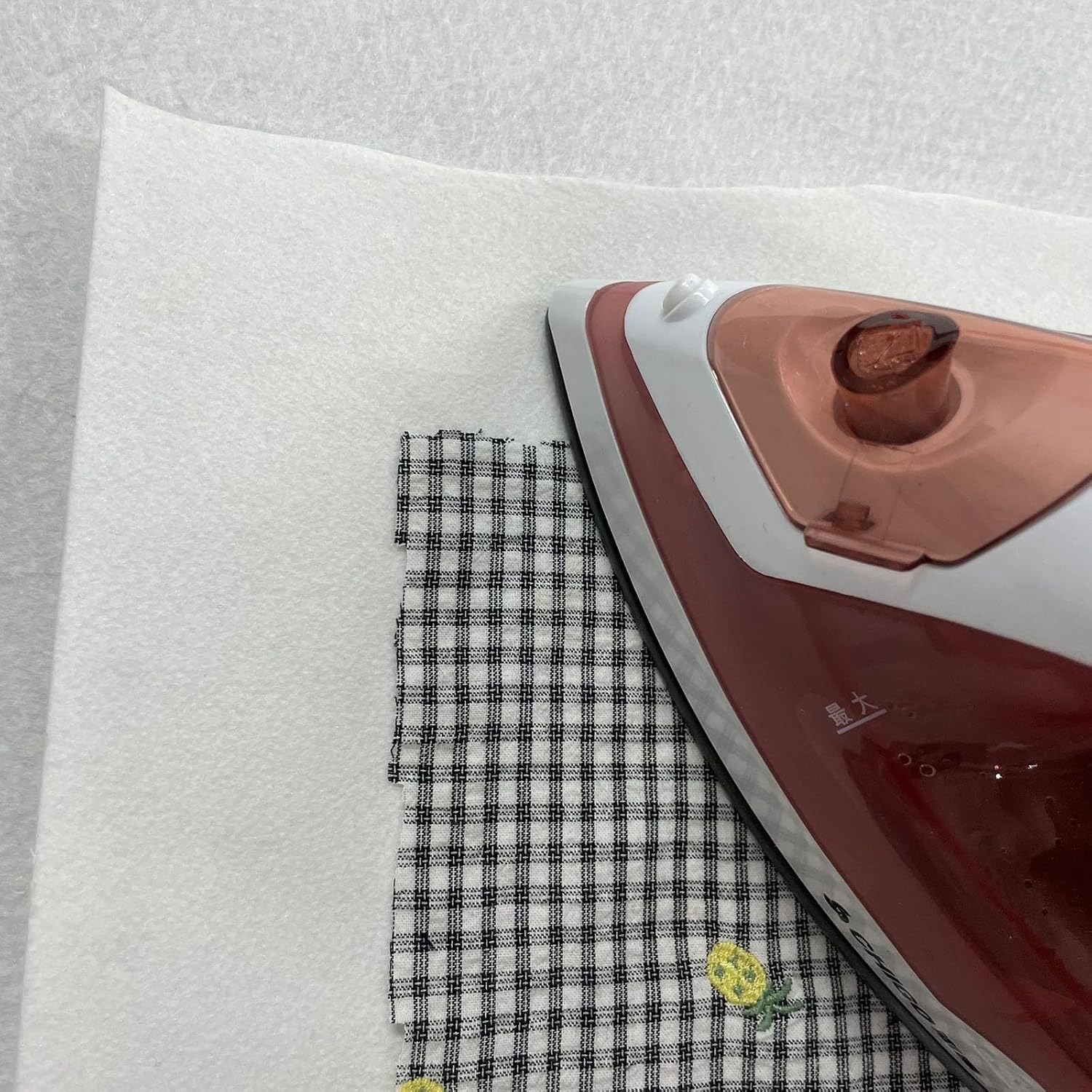
Iron-on fleece interfacing has a fusible face that bonds to a compatible fabric when applied with heat. Because this product is fusible on one side, it is not intended to bond two fabrics together on opposite faces.
The exact application settings are not given by the maker. There is no stated iron temperature, pressing time or steam instruction to copy here. Use the instructions supplied with the piece rather than borrowing settings from a different interfacing.
Before working on your main fabric, test a small spare piece. Use the same fabric and fleece combination you plan to sew. Let the test cool, then check the surface and bond according to the application instructions. A successful test is more useful than an assumption based on how another product behaved.
Who this fleece suits
This fleece is worth considering if you are making a larger bag and your pattern calls for medium-weight fusible fleece. Larger fronts and backs are among its stated uses. Handles and base reinforcement are also included.
It may also suit a cushion project where the pattern calls for a supported fabric layer. That does not mean every cushion needs interfacing. Some designs depend on the natural movement of the outer fabric, so check the intended construction first.
The product information specifically rules out small bags. If you are making a small pouch or another compact item, do not choose it simply because you have some left over. Find an interfacing that suits the pattern and the space inside its seams.
Match the support to the project
Bag making fleece is not a promise of a rigid finish. A supported panel and a hard base are different things. If your design needs a separate firm base, the maker's description does not say the fleece can replace it.
Look closely at the areas where layers meet. A handle folded several times will contain more material than a flat front panel. A base seam may bring together outer fabric, lining and several supported edges.
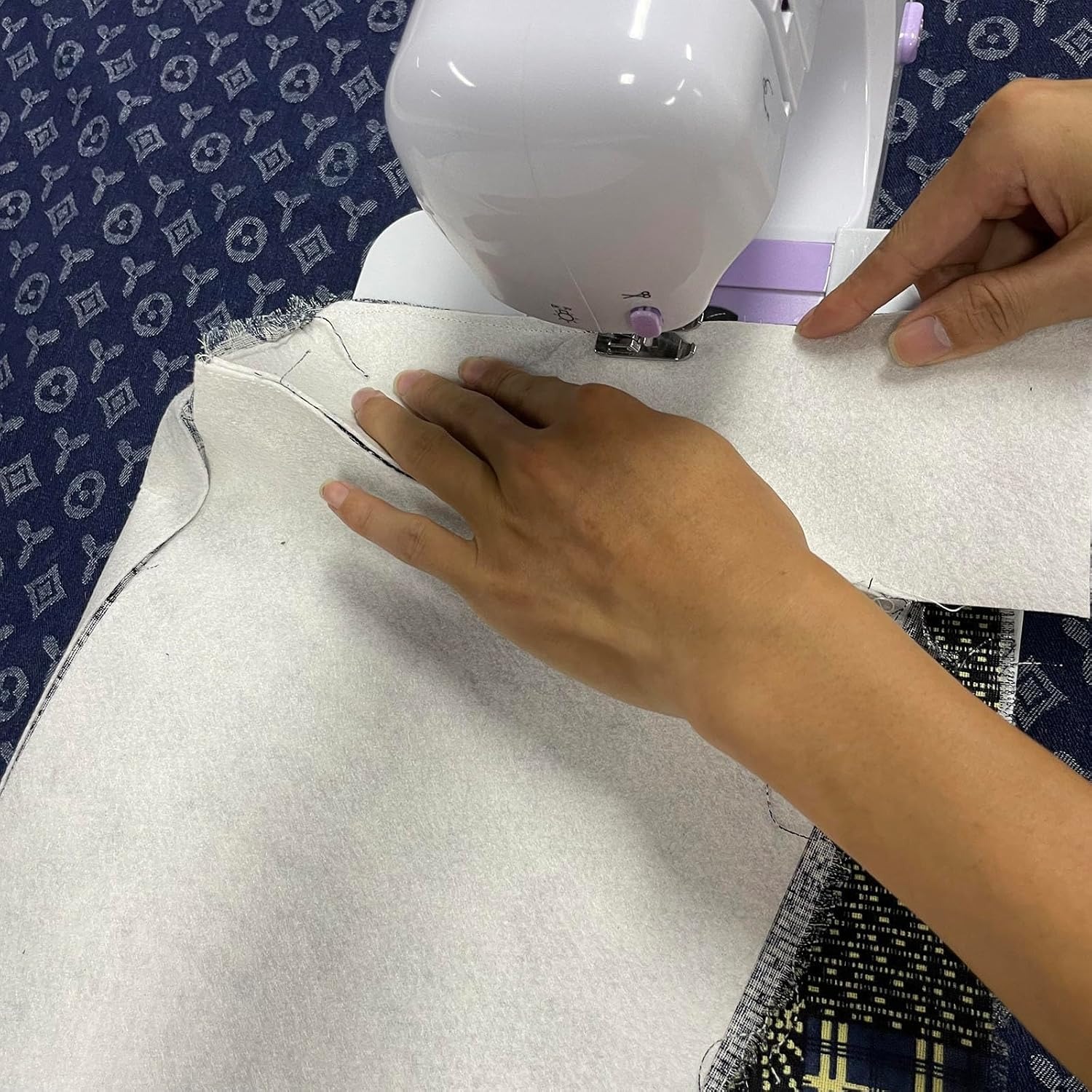
Follow your pattern's directions for these areas. If the pattern allows a sample, make one using the same layers. This helps you judge the feel and whether the construction suits your sewing setup before committing the full piece.
Plan around the supplied size
The usable planning size given for this product is 120 cm wide by 100 cm long. It comes as one fixed-size piece.
Before ordering, mark out that area on a clean table or floor. Arrange your paper pattern pieces inside it, using the quantities required by your pattern. Include separate pieces for handles or base support where needed.
Do not judge coverage from the front panel alone. A bag can have matching back panels, side sections and other parts that need support. A simple layout gives you a clearer answer than estimating from the overall finished bag size.
Keep your pattern's cutting directions in mind as you arrange the pieces. Avoid changing those directions just to make everything fit.
Read the measurements with care
There are two sets of measurements in the maker's description. The fleece itself is supplied as one piece measuring 120 cm by 1 metre. Separate listed product dimensions are 25.4 x 35.56 x 2.54 cm.
The maker does not explain the smaller dimensions. They should not replace the stated fabric size when you plan your cutting layout. If you need more detail about how the item is presented, ask before ordering.
The listed item weight is 370 g. This is not a stated grams-per-square-metre figure, so do not treat it as one. Likewise, the stated 1.3 mm thickness is not a prediction of the thickness after fusing or sewing. Those finished measurements are not provided.
Check your fabric before reaching for the iron
A fusible product needs an outer fabric that can tolerate the required application method. The maker does not list every compatible fabric, so there is no basis for saying this fleece works with everything.
Check your fabric's care information and the supplied fusing instructions together. If they call for conflicting treatment, pause before applying heat. It is better to resolve a question on a spare piece than on a carefully cut bag front.
White fusible fleece may also look different under different outer fabrics. If the appearance matters, examine your test in the light where the finished item will be used. Check the face of the fabric, not just whether the layers have bonded.
Cut with the construction in mind
Some project directions may treat seam areas differently. The maker does not provide one cutting method for every design.
Keep track of which face is fusible as you work. Before pressing, check the arrangement against the supplied instructions. Take particular care when working with pieces that look similar but face in different directions.
For fleece for bag handles, think about the final folded shape as well as the flat pattern piece. For bag panel support, consider where the supported panel meets other layers. These checks help you spot likely trouble before the project is assembled.
Care starts before the first wash
Specific washing and drying instructions are not stated by the maker. That means there is no supported wash temperature or tumble-drying setting to recommend here.
Keep the supplied instructions with your sewing notes. The finished project's care needs depend on more than the fleece. Outer fabric, lining and any other components may each have their own limits.
Before cleaning the finished item, check all those requirements together. If you are making it as a gift, pass along the confirmed care instructions. Avoid adding a care label based only on the polyester fibre content, because the fusible layer also needs to be considered.
Store unused fleece somewhere clean and dry, with its instructions easy to find.
Buying for a project or a sewing gift
A sewing project stabiliser is a practical purchase when it matches a known pattern. If you are buying for yourself, check the required type and quantity before adding it to your project supplies.
For a gift, a little information about the recipient's plans helps. Someone making larger bags may have a use for this fleece, while someone focused on small bags may not. The stated small-bag restriction is worth keeping in mind.
Delivery timing also matters if the piece is needed for a class or deadline. No delivery lead time is specified in the maker's description. Check the current delivery information when ordering in Ireland, rather than planning around an assumed arrival date.
Check before cutting
When the piece arrives, confirm that it matches your order and your project needs before cutting, washing or using it. Keep the original packaging while you make that decision.
Returns are accepted within 14 days of delivery for fabric that is unwashed, uncut, unused and in its original packaging. The customer pays return postage for these returns. Faulty or wrongly described goods are put right free of charge.
This makes an early check worthwhile. If you are unsure whether the fleece matches your pattern, ask before taking the next step.
The short version
Choose this white, one-sided polyester fusible fleece when your larger bag or cushion pattern calls for a medium-weight fleece layer. You receive one piece measuring 120 cm wide by 1 metre long, with a stated thickness of 1.3 mm.
Check your layout, test the application on spare fabric and follow the supplied instructions. For small bags, look for a different option. For larger projects, let the pattern and the feel of your test piece guide the decision.